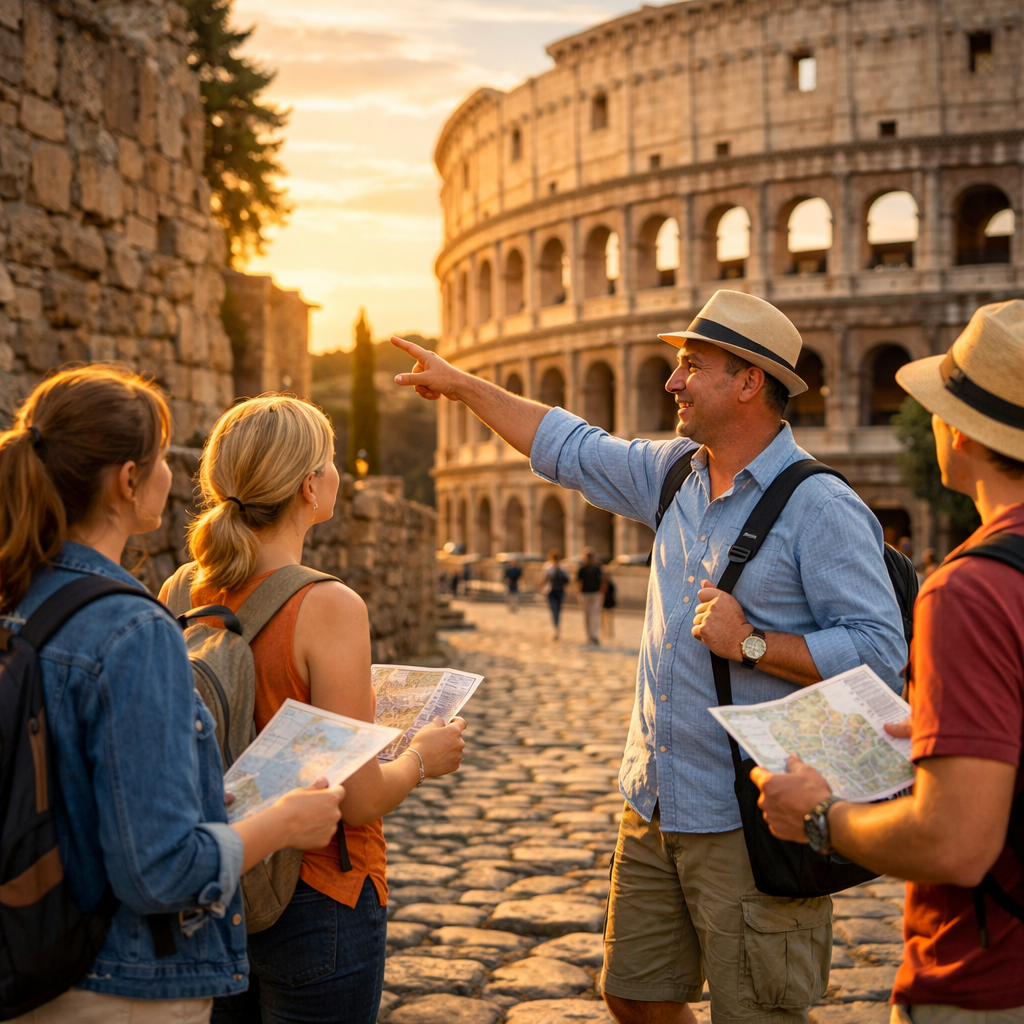
Small-Group Rome Sightseeing Tours: See More, Stress Less
Small-group Rome tours are guided experiences typically capped at 6–12 travelers that use timed or priority entry and expert narration to cover headline sights without the overwhelm of large buses. If you’re asking which guided tours in Rome are best for sightseeing, look for those that balance access and storytelling: think skip-the-line Rome entries, Colosseum arena access, and early Vatican access—all done responsibly. These sustainable Rome tours let you see more, stress less. At Travel Beyond Boundaries, we keep group sizes tight, work with vetted licensed guides, and design end-to-end itineraries with transparent inclusions and community-first practices.
Why small-group tours help you see more with less stress
Fewer people means easier pacing, clearer audio, and room to linger where it matters. With Rome expecting roughly 32 million visitors in 2025, partly due to the Jubilee, off-peak slots and small-group strategies are a smart hedge against crowds, according to reporting on Rome’s sustainable tourism push (Rome’s sustainable tourism push). Travel Beyond Boundaries builds itineraries around off-peak timing and capped groups to keep the experience smooth.
Timed entry is a pre-booked admission slot assigned to a specific window, used by museums and archaeological parks to meter visitor flow. It limits bottlenecks at ticket counters and gates, cuts idle queuing, and helps guides sequence highlights predictably, even during peak seasons.
At the Colosseum, fast-track procedures reduce queueing; many high-value itineraries include the arena floor via the Gladiator’s Gate, then continue through the Roman Forum and up Palatine Hill for city panoramas (Italian tourism trends affecting access). Groups of 6–12 hit a sweet spot: guides can adapt routes, answer questions, and add authentic stops—an approach that consistently earns strong reviews in an overview of small-group tour benefits (small-group tour benefits in Italy).
How to choose a Rome small-group tour with confidence
- Verify true group caps (under 12 is ideal) and that your guide is licensed/authorized. “Small-group” can be elastic—lean on specific descriptions and very recent reviews to validate pacing and access (essence of small-group tours and how to vet operators).
- Compare inclusions vs DIY. Some travelers report buying on-site Colosseum tickets via QR codes for about £18 per adult, with EU youth pricing around £16; use those figures to benchmark the premium for guided entry, special routes, and expert narration (traveler reports on DIY Colosseum ticket prices).
- Favor responsible operators offering early-entry slots, e-bikes, or other low-impact logistics, and those engaging with local initiatives that spread footfall and benefits (Rome’s sustainable tourism push). Travel Beyond Boundaries publishes true caps, licensing, and inclusions up front to make comparison easy.
Travel Beyond Boundaries
Our model is simple: tight group caps, licensed expert guides, and personalized trip design that blends major highlights with neighborhood experiences via vetted local partners. We operate with community-first standards and low-impact mobility, and we list transparent inclusions—timed entries, headsets where needed, clear meeting points, and realistic pacing. Prefer more? We can layer in special-access routes, food tastings, or e-bike segments, and we handle permits, safety protocols, and on-the-ground support.
Vatican Museums and Sistine Chapel small-group tours
Early-entry Vatican routes dramatically improve the experience—clearer sightlines, fewer bottlenecks, and quieter galleries. When available, some guided itineraries streamline movement by using a discreet passage from the Sistine Chapel to St. Peter’s Basilica, reducing backtracking and crowd exposure (Rome’s sustainable tourism push). Travel Beyond Boundaries prioritizes early-entry departures when available and clearly notes if the Basilica passage is permitted on your date.
Early access is a pre-opening or first-admission entry granted before standard public hours. With galleries still below capacity, sightlines improve, audio commentary carries clearly, and movement is smoother. It’s especially valuable at the Vatican Museums, where crowd density later can surge across narrow corridors.
Sample small-group formats (confirm specifics before booking):
| Start time | Max group size | Inclusions | Walking duration |
|---|---|---|---|
| 7:30–7:45 | 6–8 | Sistine Chapel first, Raphael Rooms, Basilica passage (when permitted) | 2.5–3 hours |
| 8:00–8:30 | 10–12 | Highlights route: Gallery of Maps, Raphael Rooms, Sistine Chapel | 3 hours |
| 9:00–9:30 | 12 | Standard entry highlights; Basilica exterior overview | 2.5 hours |
Note: Dress modestly for religious sites (shoulders/knees covered) and confirm headset usage and in-ear hygiene.
Colosseum, Roman Forum, and Palatine Hill small-group tours
Stepping onto the arena via the Gladiator’s Gate traces a nearly 2,000-year-old route once used by performers and staff; combining this with the Forum and Palatine Hill stitches the ancient city into a coherent narrative (Italian tourism trends affecting access). When available, Travel Beyond Boundaries schedules arena-floor entry via the Gladiator’s Gate and builds in shade and hydration breaks.
Skip-the-line refers to priority or pre-reserved access that bypasses general ticket queues while still requiring airport-style security screening. It trades uncertainty for a set entry time, often shaving 30–60 minutes off waits at peak, and helps guides keep itineraries on schedule.
Suggested flow:
- Meet near the Colosseum early; verify tickets and IDs.
- Clear security; enter directly to the arena floor (special access).
- Climb to amphitheater viewpoints; discuss engineering and spectacles.
- Walk to the Roman Forum; pause at key arches and basilicas.
- Ascend Palatine Hill for panoramas and foundation myths.
- Build in hydration, shade breaks, and restroom stops—especially in summer.
Evening and after-hours Rome walks
Twilight routes offer cooler air, softer light, and fewer crowds. Some itineraries end near Castel Sant’Angelo with legends or ghost stories to deliver a fresh angle on classics (Italian tourism trends affecting access). Travel Beyond Boundaries offers evening small-group walks that favor quieter streets and storytelling over distance.
Consider weaving in:
- Illuminated piazzas and fountains with photography guidance.
- Legends and surprising footnotes to familiar monuments.
- A gelato stop to punctuate the stroll.
Neighborhood loops:
- Centro Storico highlights: Pantheon–Piazza Navona–Trevi Fountain.
- Trastevere lanes to the riverfront and Tiber Island.
- Vatican area vistas: Borgo lanes to St. Peter’s Square.
Trastevere food and neighborhood tasting tours
Small groups can duck into family-run eateries and compact market stalls that larger groups can’t access comfortably, opening space for real conversations and flexible pacing (small-group tour benefits in Italy). Travel Beyond Boundaries favors family-run partners and low-waste service where possible.
A neighborhood tasting tour is a guided walk that samples a district’s food culture through small bites and producer visits. Along the way, guides share stories of dishes, ingredients, and traditions, connecting guests with local businesses and pacing stops to match appetite, curiosity, and season.
Likely stops:
- Forno bakeries for pizza bianca and fresh loaves.
- Roman-Jewish specialties like carciofi alla giudia.
- Seasonal produce stands and salumerie tastings.
- Craft gelaterie that use natural ingredients.
Note dietary accommodations ahead and opt for low-waste service (reusable cups/utensils) to align with citywide sustainability efforts (Rome’s sustainable tourism push).
E-bike and cycle-friendly city routes
Bike and electric-cart options are growing as part of Rome’s sustainability push; even electric taxis are being promoted citywide to cut emissions (Rome’s sustainable tourism push).
An e-bike tour is a guided ride on pedal-assist bicycles that add gentle power to each rotation, making hills and longer distances manageable for mixed-ability groups. The support boosts range without sweat, enabling broader sightseeing with a smaller environmental footprint than vans or taxis. Travel Beyond Boundaries partners with vetted outfitters and caps groups to maintain safe spacing.
Suggested modules and safety:
- Appian Way segment past aqueducts and catacomb entrances.
- Aventine–Testaccio loop for hill views and food markets.
- Villa Borghese panoramas and Pincio terrace.
Wear helmets, ride single-file on busy stretches, and cap groups to maintain safe spacing.
Family-friendly small-group options
For families, aim for 6–10 guests and guides trained in engagement, with interactive challenges and flexible restroom/snack breaks (small-group tour benefits in Italy). Travel Beyond Boundaries designs kid-forward routes with hands-on elements and planned breaks.
Kid-smart itineraries:
- Early Vatican highlights with a treasure-hunt twist.
- Short-form Colosseum + Forum walk with hands-on artifacts.
- Gelato tasting add-on near your end point.
Confirm stroller guidance for cobblestones and security, list what’s included (headsets, tickets), and review simple safety reminders about valuables in crowded areas (pros and cons of hiring a guide in Rome).
Responsible travel standards in Rome
Eco-tours by bike/electric cart, the promotion of electric taxis, and waste-reduction practices (refills, reusables) are part of Rome’s response to visitor pressures—especially in Jubilee years (Rome’s sustainable tourism push).
“Responsible travel minimizes environmental impact, respects local culture, and contributes to community well-being. Practically, that means fair wages for guides, small-group logistics, low-waste operations (refills, reusables), and supporting conservation or neighborhood initiatives—so your visit leaves insight and income behind, not litter or unnecessary emissions.”
When browsing operators, look for visible licensing/authorization details and clear group caps—publishing authorization numbers builds trust (essence of small-group tours and how to vet operators). Travel Beyond Boundaries follows these standards and shares licensing details and group caps clearly.
When a private tour or DIY makes more sense
Rome’s public transit—metro, buses, and regional trains—is typically the best everyday way to get around; private guides can remove friction, but short private tours may exclude transport or food, so confirm inclusions (pros and cons of hiring a guide in Rome). Some travelers report Colosseum QR-code tickets around £18 per adult and EU youth tickets near £16; use these to benchmark value against guided special access and context (traveler reports on DIY Colosseum ticket prices). Travel Beyond Boundaries can advise when private, DIY, or small-group formats best fit your goals.
Choose:
- Private: mobility needs, niche interests, tight schedules.
- DIY: repeat visits, flexible budgets, slower pacing.
- Small-group: balanced access, social feel, strong value.
Booking tips, timing, and what to expect on the day
Pre-booking checklist:
- Group cap (under 12), licensed/authorized guide, inclusions (tickets, headsets), meeting/ending points, cancellation terms, and recent reviews focused on crowd management (essence of small-group tours and how to vet operators). Travel Beyond Boundaries includes all of the above in your confirmation for clarity.
Timing and day-of:
- Arrive 15 minutes early with ID; dress modestly for religious sites.
- Expect security checks even with fast-track; early Vatican and timed Colosseum entries mitigate peak queues (Rome’s sustainable tourism push; Italian tourism trends affecting access).
- Wear comfortable shoes, carry water and sun protection, and secure valuables to deter pickpockets (pros and cons of hiring a guide in Rome).
Frequently asked questions
What group size counts as a true small group in Rome?
Capped groups of 6–12 people typically deliver the most personal, flexible experience. Travel Beyond Boundaries keeps caps tight to preserve pacing and interaction.
Do small-group tours really skip the line?
Most include timed or priority entry that bypasses general queues, though security checks still apply. At Travel Beyond Boundaries, timed entries are standard on major sights.
Are these tours suitable for limited mobility or strollers?
Many routes can be adapted with advance notice, but ancient sites involve uneven ground and steps. Travel Beyond Boundaries confirms accessibility and alternative paths before you book.
What should I wear for the Vatican and religious sites?
Choose modest clothing that covers shoulders and knees, especially for St. Peter’s Basilica; comfortable walking shoes help on long corridors and marble floors. Travel Beyond Boundaries includes dress guidance in your confirmation.
How do I compare tour price versus independent tickets?
List inclusions—entry fees, special access, guide expertise, headsets, and logistics—then compare against official ticket costs. Travel Beyond Boundaries itemizes these so you can judge value clearly.