Best Traditional Ryokan in Hokkaido: A Local Expert Guide
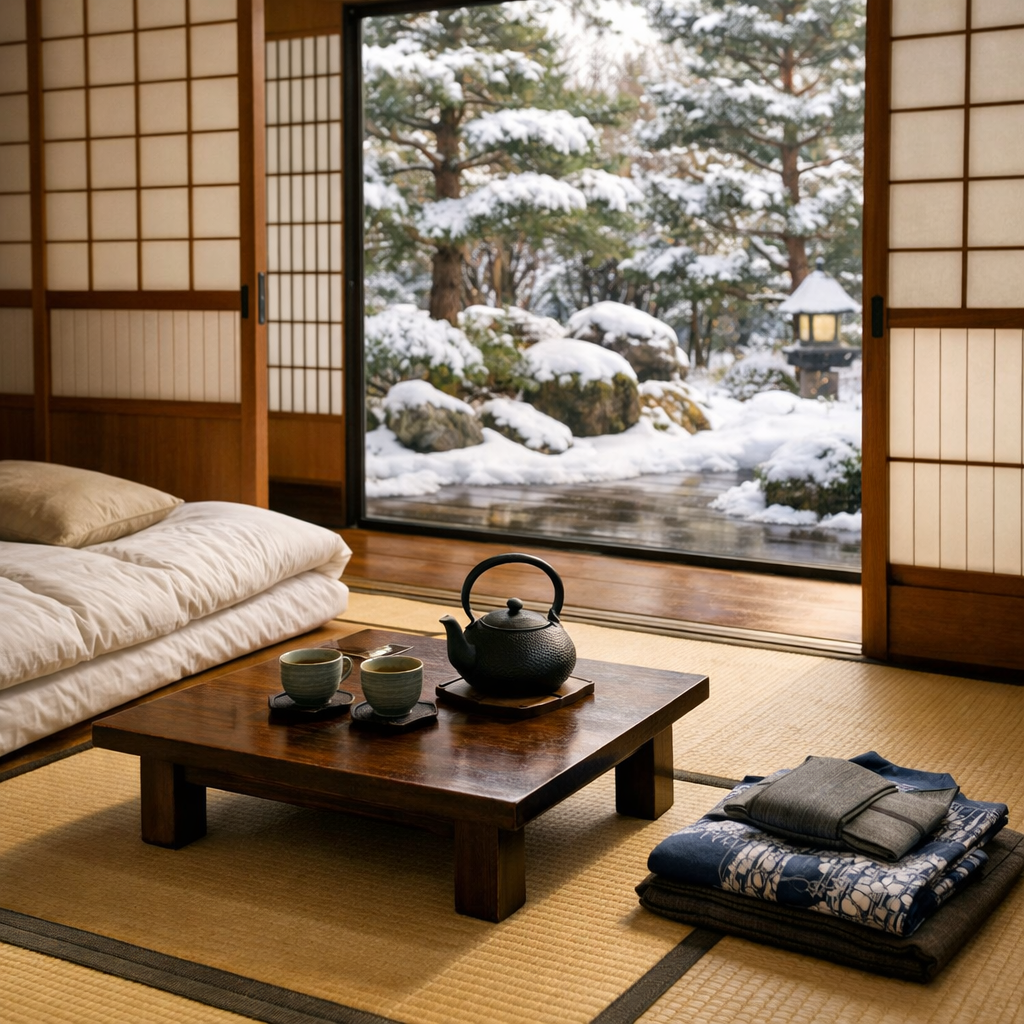
Hokkaido’s traditional ryokan blend mountain-and-lake scenery with soothing Hokkaido onsen, tatami rooms, futon bedding, yukata robes, and seasonal kaiseki dinners. A ryokan is a Japanese inn built for ritualized rest; an onsen is a bath fed by natural geothermal spring water. If you’re seeking the best traditional ryokan in Hokkaido with private onsen, focus on areas famed for scenery and water quality, and confirm privacy options—private kashikiri baths or rooms with en-suite rotenburo—alongside meal style and room type.
Where to start? Noboribetsu offers sulfur springs and mineral variety in a compact hot-spring town; Jozankei sits in a forested gorge near Sapporo; Lake Toya is for serene, caldera-lake views; Yunokawa pairs sea views with Hakodate’s markets; Sounkyo is dramatic gorge country; Lake Akan layers Ainu culture and lake calm; Niseko adds ski-to-soak ease; Shikotsu works well for airport-night bookends.
Ryokan are traditional Japanese inns with tatami floors, futon bedding, yukata robes, and communal or private onsen baths. Many now add Western beds and in-room soaking while preserving an unhurried slow luxury, as noted in Condé Nast Traveler’s ryokan essentials (https://www.cntraveler.com/gallery/5-must-visit-ryokans-for-your-next-trip-to-japan) and a feature on how ryokans perfected slow luxury (https://www.cntraveller.com/sponsored/story/how-japans-ryokans-perfected-the-art-of-slow-luxury).
Travel Beyond Boundaries
Our Hokkaido ryokan guide is safety-forward, value-smart, and experience-led. We benchmark what matters most: water type and privacy (public, kashikiri private rentals, or in-room rotenburo), kaiseki quality highlighting Hokkaido seafood and produce, room style (tatami vs Western beds), and setting/seasonality by river, lake, or mountain. Our on-the-ground specialists also verify house rules and accessibility before we recommend a stay.
Across Japan, many leading inns now offer private baths you can reserve by timeslot, a family- and couple-friendly privacy upgrade that’s become mainstream. Nationwide, ryokans increasingly blend tradition with modern comforts while preserving omotenashi—the attentive, anticipatory hospitality at the core of the experience.
How we choose ryokan in Hokkaido
- Water type and privacy: Choose between shared public baths, private kashikiri rentals, or rooms with in-room rotenburo. Private options are widely available and particularly helpful for mixed families or first-timers.
- Meals: Prioritize kaiseki dinner quality, seasonality, and local sourcing. Many top inns offer seasonal, omakase-style menus that showcase regional terroir and technique, a standard celebrated by the Michelin Guide’s profiles of ryokan dining (https://guide.michelin.com/us/en/article/travel/beniya-mukayu-kaga-japan-key-hotel-michelin-guide-superlative).
- Room style and accessibility: Choose classic tatami/futon or Western beds; some properties offer low-profile frames and private baths for easier mobility and comfort.
- Setting and seasonality: Lake, river, or mountain views shape the mood, wind exposure, and even how minerals feel on the skin—plus your chance of snow-view soaking.
‘Kashikiri’ are private onsen you reserve by time slot—ideal for couples, families, or tattooed guests seeking privacy. ‘Rotenburo’ are open-air baths, often set by rivers, lakes, or gardens for breeze and views. In-room rotenburo deliver 24/7 soaking without leaving your tatami or Western-bed suite.
Noboribetsu Onsen
Hokkaido’s classic hot-spring town channels a volcanic “Hell Valley,” delivering Japan-leading diversity of mineral waters in a compact, walkable setting. It’s a smart first pick if you want variety without long transfers, with everything from old-school tatami inns to design-forward retreats.
Selection tips:
- Compare public-only bathing with kashikiri or rooms with private onsen, depending on your comfort level.
- Book a kaiseki plan to sample Hokkaido seafood; winter often brings sweet, meaty crab and coastal influences to the menu.
- Review family and child policies, which can be strict at more traditional inns.
- Aim for sulfur springs if you enjoy that classic Noboribetsu aroma; try different baths to feel mineral contrasts.
Good for:
- First-timers, varied onsen experiences, easy access in a true Hokkaido hot spring town.
Jozankei
Just south of Sapporo in a river-cut mountain valley, Jozankei puts alpine air and forest views within an hour of downtown—a perfect add-on to city stays or short work trips. Many Jozankei ryokan offer river- or forest-facing rotenburo that make winter snow watching unforgettable.
Consider:
- Rooms with river- or forest-view rotenburo for snow scenes and spring greenery.
- Private rental baths for couples or families seeking privacy and flexibility.
- Menus featuring mountain vegetables, wild herbs, and river fish in season.
Why choose Jozankei vs Noboribetsu:
- Access: Shorter transfer from Sapporo, great for 1–2-night itineraries.
- Scenery: River gorge and forest immersion versus Noboribetsu’s volcanic drama.
- Onsen diversity: Noboribetsu wins on mineral variety; Jozankei excels in convenience and views.
Lake Toya
A mirror-like caldera lake and wide-open skies define Toyako Onsen. This is where you slow down: lakeside rooms, sunset reflections, and quiet winter mornings. Kaiseki often highlights lake fish and regional vegetables, with a calmer, restorative energy than busier hot-spring towns.
Highlights:
- Lakeside rooms and open-air baths aimed at sunrise/sunset reflections.
- Winter’s hush and potential snow-view soaking from outdoor decks.
- Seasonal kaiseki focused on lake fish and local produce.
| Room types | Bath privacy options | Best months for views |
|---|---|---|
| Classic tatami rooms | Public baths; reserve kashikiri for private slots | Oct–Nov for autumn reflections |
| Hybrid tatami + Western beds | Some rooms with private indoor or semi-open baths | Dec–Mar for snow-draped dawns |
| Suites with lake-view rotenburo | En-suite open-air soaking, highest privacy | May–Jun and Sep–Oct for clarity |
Yunokawa Onsen
Hakodate’s seaside onsen district pairs ocean-view rotenburo with easy airport and city access. It’s an excellent base for seafood-focused kaiseki, morning market forays, and twilight walks along the coast.
Plan for:
- Ocean-facing rotenburo and coastal strolls; prioritize sea-view rooms if sunsets matter.
- Kaiseki emphasizing same-day seafood from Hakodate’s markets.
- Private bath booking protocols: confirm timeslots and fees in advance.
Best for:
- Seafood lovers, short stays near transit, couples seeking sea views.
Sounkyo Gorge
In Daisetsuzan National Park, Sounkyo’s sheer cliffs and waterfalls deliver mountain-on-mountain immersion. Outdoor rotenburo with gorge views are magical, especially in winter when steam meets snowfall.
Know before you go:
- Check bus schedules carefully; winter driving can be challenging.
- Many plans include dinner due to remoteness—confirm inclusions when booking.
- If mobility is a concern, choose Western-bed rooms or hybrids, and consider private baths to avoid crowded times.
Lake Akan
Lake Akan is for unhurried, lakefront serenity layered with Ainu cultural experiences. It’s a favorite for travelers who value calm, nature, and cultural context over nightlife.
Trip-shaping tips:
- Seek lake-view onsen and docks for quiet morning mist.
- Expect kaiseki built around freshwater fish and forest-foraged produce.
- Target shoulder seasons for softer pricing and fewer crowds.
Niseko area
Beyond world-class powder, Niseko’s boutique stays and restorative onsen make post-ski recovery a joy. You’ll find both tatami rooms and Western beds—popular with international guests—and a growing number of private onsen suites.
What to look for:
- Ski-to-soak proximity; rooms with private onsen for end-of-day recovery.
- Hybrid room options balancing tatami ambiance with Western-bed comfort.
- Food programs that spotlight Hokkaido dairy, winter seafood, and alpine produce.
Shikotsu and support towns near New Chitose
For flight-day ease, Shikotsuko ryokan and nearby onsen towns offer quiet nature stays within reach of New Chitose Airport. This is a smart bookend when you’re landing late or departing early.
Booking moves:
- Choose rooms with in-room rotenburo for late arrivals or quick morning soaks.
- Confirm kashikiri availability and prebook slots to avoid rush-hour waits.
- Consider your last night here to simplify transfers and reduce weather risk.
Family-run countryside inns
Small, family-run ryokans deliver intimate service, high repeat rates, and meals rooted in local fields and rivers—ideal for slow-travelers seeking authentic routines. Many boutique properties invest heavily in staff training; one profile noted training sessions five times monthly, underscoring service focus in Japan’s slow-luxury ryokan culture.
How to vet:
- Confirm English support, child policies, and private-bath options before prepaying.
- Look for recognition signals—several Japanese Inn Group properties appear in TripAdvisor’s Best of the Best 2025 (https://japaneseinngroup.com/tripadvisor-best-of-the-best-2025/), a useful nationwide benchmark.
- For value, target shoulder seasons and half-board plans.
Seasonal planning and when to go
- Winter (Dec–Mar): Snow-view rotenburo—yukimi-buro—peak in mountain and river settings; book private baths and top rooms early.
- Spring (Apr–May): Meltwater rivers, late snows at altitude; shoulder-season deals and clearer views.
- Summer (Jun–Aug): Lake breezes at Toya/Akan; pair with hikes, boat rides, and garden baths.
- Autumn (Sep–Nov): Fiery foliage in Sounkyo and lakeside reflections; popular weekends bring higher rates.
Many top ryokans offer private rentable baths even in peak periods, a helpful pressure valve for privacy and relaxation.
Money-saving strategies and booking tips
Compare with Travel Beyond Boundaries trip design support and with specialist platforms that index roughly 600 onsen ryokans nationwide with filters for views (sea, lake, river, garden) and privacy features, such as Selected Ryokan’s national listings and guides (https://selected-ryokan.com/guide/top-10-best-popular-luxury-onsen-ryokan_japan.html).
Tactics that work:
- Book half-board (dinner + breakfast) for better value and simpler logistics where dining is limited.
- Prioritize room type first (in-room private bath vs public only), then confirm meal style (kaiseki vs buffet).
- Travel midweek and in shoulder seasons; always check child policies and accessibility before committing to nonrefundable rates.
Quick booking flow:
- Shortlist by region and scenery.
- Filter for privacy (kashikiri or in-room rotenburo) and kaiseki dinner Hokkaido focus.
- Verify house rules (tattoos, child policies, accessibility).
- Lock dates with a free-cancellation window if possible.
Accessibility, etiquette, and safety basics
Rinse and soap fully before soaking; enter nude (no swimsuits), and keep towels and hair out of the water. Stay quiet, hydrate, and shower off if requested. Tattoos can be restricted—check house rules or ask at check-in. Follow any posted guidance from national ryokan etiquette resources.
Accessibility:
- Many modernized inns offer Western beds and private baths, helpful if you avoid floor sleeping or shared bathing.
- Request low-profile frames or hybrid rooms; elevators and barrier-free layouts vary—confirm in advance.
Safety:
- Pool decks can be slippery; move carefully and hydrate between soaks.
- Winter conditions affect roads—build buffer time and consider airport-adjacent stays.
- Reserve kashikiri for mixed-family privacy, comfort, and better control of water temperature and timing.
Frequently asked questions
What makes a ryokan in Hokkaido truly traditional?
Tatami rooms, futon bedding, yukata robes, and indoor/outdoor onsen define the stay, paired with multi-course kaiseki dinners using seasonal Hokkaido seafood and produce—and a slower, attentive style of hospitality. Travel Beyond Boundaries curates stays that keep these hallmarks while balancing comfort.
How do private, rental, and public onsen options differ?
Public baths are gender-segregated and shared. Rental kashikiri baths are private by timed reservation, and some rooms include an en-suite rotenburo; we confirm availability and any fees when we book.
Should I book with dinner and breakfast included?
Yes for most destinations—half-board secures kaiseki dinners and simplifies logistics where dining options are limited. It’s our default in regions with few nearby restaurants.
Are futons comfortable and are Western beds available?
High-quality futons are plush and set nightly on tatami. If you prefer a bed, pick a ryokan with Western beds or hybrid rooms, and we’ll flag exact bed types during planning.
Which areas are best for first-time visitors without a car?
Jozankei (near Sapporo) and Noboribetsu have strong transport links, varied baths, and broad choices, with Lake Toya and Yunokawa also good for lake or seaside views. Travel Beyond Boundaries designs car-free routes and transfers to keep moves simple.