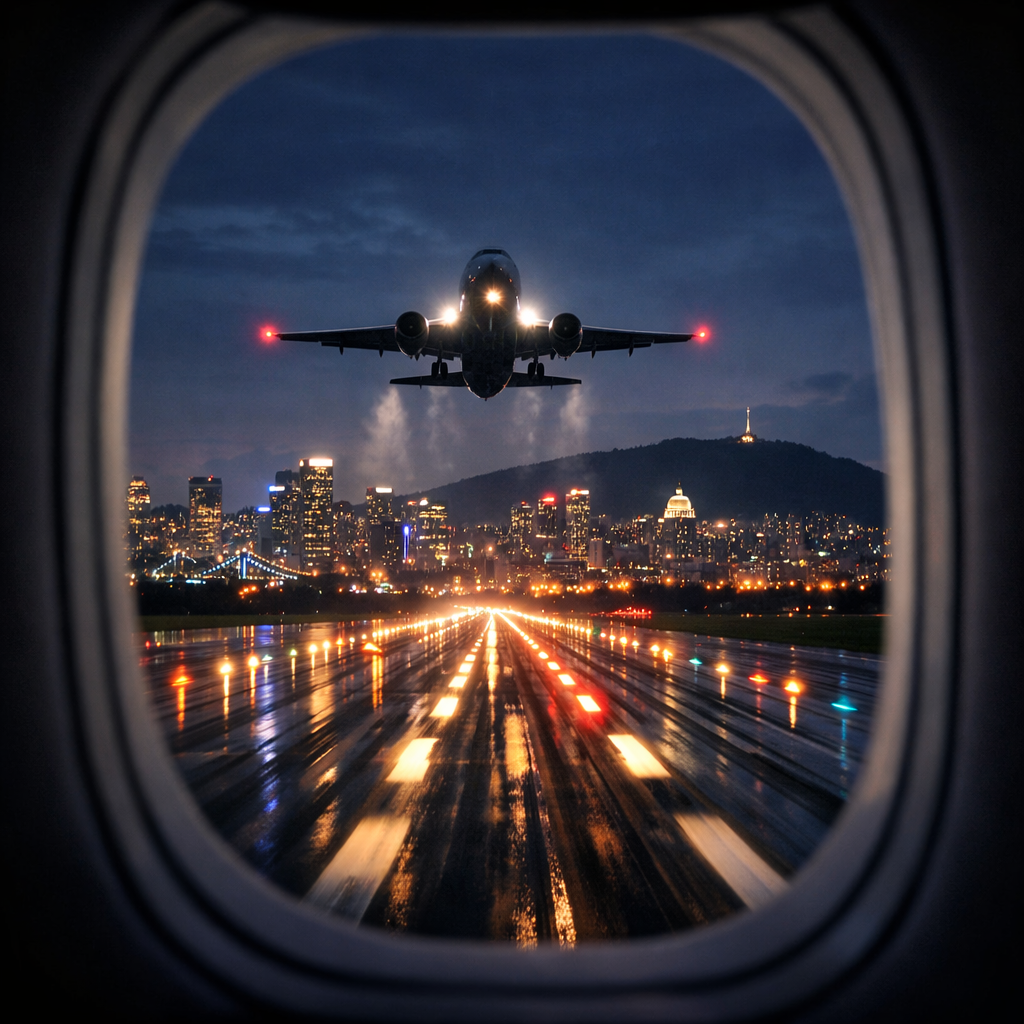
Best Red-Eye Flights to Montreal in 2026: Top Picks
Flying overnight to land in Montreal (YUL) first thing can save daylight, money, and stress. Below, we spotlight the best red-eye flights to Montreal in 2026 by origin—New York, Boston, Miami/Southeast, West Coast, and Toronto connections—plus when to depart, what to upgrade, and how to arrive meeting‑ready. We also compare premium economy red-eye value versus economy or business and share practical seat and sleep tactics. If you’re chasing a Montreal early arrival, use this guide to pick the right late-night departures, optimize rest, and keep total trip costs in check.
Strategic Overview
A red-eye is an overnight flight that departs late at night and arrives the next morning, letting travelers “sleep and arrive” while maximizing daytime at the destination. Typical late-night windows run roughly 9:30–11:59 p.m., with early‑morning arrivals between about 5:30–8:00 a.m. on many routes, as outlined in Trip.com’s red-eye guide.
Summary snapshot of YUL overnight flights by origin:
| Origin | Typical late-night departure window | Typical overnight duration | Key pros | Smart value upgrades | Who it’s best for |
|---|---|---|---|---|---|
| NYC (JFK/EWR) | ~10:00–11:30 p.m. via hub; earliest first‑in morning hops | 1–1.5h nonstop; 4–6h total with connection | Frequent schedules; earliest downtown arrivals; minimal jet lag | Extra‑legroom economy; quiet window seats | Executives with morning meetings; day‑trippers |
| Boston (BOS) | ~10:30–11:30 p.m. or crack‑of‑dawn first flights | ~1–1.2h | Very short hop; easy morning check‑ins | Bulkhead/window; light baggage to speed exit | Court, conference, or campus events |
| Miami/Southeast | ~9:30–11:59 p.m. | ~3–4h nonstop (longer with connections) | Deal potential; reasonable sleep window | Extra‑legroom or opportunistic premium economy | Leisure value‑seekers and families |
| West Coast via hub | ~9:30–11:59 p.m. to East Coast, then short hop | 5–6h long segment + 1–2h hop | True sleep opportunity; many flight choices | Premium economy sweet spot | Productivity‑minded travelers |
| Toronto connections (YYZ) | Multiple late departures into YYZ; early YYZ→YUL | Long leg varies + ~1–1.2h hop | More frequencies; big‑hub amenities | Prioritize comfort on the long leg | International connectors and snow‑belt flyers |
These timing windows and seat guidance align with common overnight patterns and comfort tips highlighted in Trip.com’s red-eye guide.
Travel Beyond Boundaries
Our promise: unbiased, data‑backed curation that balances price, comfort, and logistics from booking through wheels‑down at YUL. These picks prioritize morning arrival utility, fare value, connection reliability, and seat/upgrade options that improve sleep and productivity upon landing. We vet schedules against real‑world arrival utility, not just headline flight times. Explore our curated destination guides, hotel and gear reviews, packing and savings tips, and tour operator roundups for Montreal and Quebec to round out your trip. We also emphasize fee transparency—airline extras can swing your “true” price in 2026; compare bag and seat charges using NerdWallet’s airline fee comparison.
New York to Montreal
Frequent overnight options and short block times make NYC→YUL ideal for early meetings with minimal jet lag. Expect late-night windows around 10–11 p.m. for the overnight portion and early‑morning arrivals broadly cited for red-eye operations, with some journeys using a late departure via a hub or the first‑in morning hop. For sleep, choose a window and aim for the front or mid‑cabin, or a bulkhead if available; avoid last rows and aisles to reduce noise and traffic per Trip.com’s red-eye guide.
Booking tip: for Monday arrivals and peak weeks, set alerts early and lock seats as soon as a quiet window or bulkhead opens up. Travel light to shave minutes at immigration and the taxi rank.
Boston to Montreal
BOS→YUL is a New England‑friendly option: a very short hop that gets you downtown early with minimal fatigue. The trade‑off is limited deep sleep due to the brief segment, so double down on comfort tactics—eye mask, a window seat, and low screen brightness—to arrive refreshed, echoing KAYAK’s red-eye survival tips and Trip.com’s seat advice. For courthouse times, first check‑ins, and conference starts, this is the earliest‑arrival play.
Go baggage‑light to pace through YUL; where bags are unavoidable, factor variable fees into total cost, since airline charges vary widely in 2026 per NerdWallet’s airline fee comparison.
Miami and Southeast to Montreal
Late‑night departures from the Southeast can unlock value for leisure travelers. Deal pages often surface overnight bargains; some advertised red-eye deals start from $95.99 on select routes, a useful benchmark when price‑hunting, per CheapOair red-eye deals. For comfort on longer overnights, spring for extra‑legroom or take last‑minute upgrade offers; AeroTime’s red-eye overview underscores pacing fluids and avoiding caffeine/alcohol to improve sleep.
Plan your Montreal early arrival: if your room won’t be ready, arrange a day‑use hotel or early check‑in so you can shower and reset, a strategy KAYAK’s red-eye survival tips also recommend.
West Coast to Montreal
From the West Coast, the smart pattern is a long overnight segment to an East Coast hub, then a short hop to YUL. Typical red-eyes leave 9:30–11:59 p.m. and arrive 5:30–8:00 a.m. on the other coast before connecting, according to Trip.com’s red-eye guide. Premium economy is the cost‑effective middle ground on 5–6+ hour overnights: Otto the Agent’s red-eye guide notes business can run 3–5x (up to 10x on longer routes) the fare, while premium economy delivers meaningful recline and legroom.
Execution mini‑flow:
- Book premium economy on the long segment
- Select bulkhead/window for head support and fewer disturbances
- Pack a simple sleep kit; minimize screens before sleep, per KAYAK’s red-eye survival tips
- Hydrate consistently
Toronto Connections to Montreal
YYZ adds schedule depth and amenities for both international and domestic travelers, improving the odds of a reliable early YUL arrival. Build healthy buffers for early‑morning connections—winter can bring de‑icing, and lines can stack unexpectedly. During overnight layovers, prioritize breakfast and a shower; on arrival, have day‑use or early check‑in options ready (as KAYAK’s red-eye survival tips suggest). When your long overnight leg precedes a short YYZ→YUL hop, select a quiet window and front/mid‑cabin on the long segment to preserve sleep continuity per Trip.com’s guidance.
How we chose these red-eye picks
We optimized for:
- Schedule reliability and frequency of late departures/early arrivals
- Arrival utility (time to downtown and meeting‑readiness)
- Seat and upgrade economics (premium economy value on longer legs; business costs 3–5x and up to 10x more on some routes, per Otto the Agent’s red-eye guide)
- Total trip cost (including variable bag/seat fees flagged in NerdWallet’s airline fee comparison)
Market signals matter: advertised starter deals under $100 on some routes reflect broader overnight discounting trends, per CheapOair red-eye deals. Networks are also evolving; U.S. carriers continue experimenting with redeyes and repurposing late‑day departures into overnights by season, as highlighted in Cranky Flier’s analysis of redeyes.
Pricing, timing and cabin expectations
- Pricing: Overnight fares often undercut daytime prices. As a benchmark, some red-eye deals are advertised from $95.99, and promos like TRIP40 (up to $40 off service fees; expires Mar 31, 2026) indicate active discounting, per CheapOair red-eye deals.
- Timing: Many red-eyes depart 9:30–11:59 p.m. and arrive 5:30–8:00 a.m.; common overnight segments run ~4.5–6 hours on transcontinental legs to East Coast hubs, based on Trip.com’s red-eye guide.
- Cabin choices: On 6+ hour overnights, premium economy typically delivers better recline/legroom at a fraction of business pricing, which can be 3–5x (up to 10x) higher; AeroTime’s red-eye overview and Otto the Agent’s red-eye guide both support this value calculus.
Pros and cons of red-eye flights to Montreal
Pros:
- Often cheaper than daytime flights and crowds are lighter late at night, improving airport flow and sometimes yielding adjacent empty seats; you also reclaim daytime on arrival, per KAYAK’s red-eye survival tips and the CheapFlightsFares overview.
Cons:
- Sleep disruption and short‑term cognitive dips are common; some travelers face elevated heart/respiratory or clot risks—seek medical advice if concerned, as summarized by Otto the Agent’s red-eye guide and the CheapFlightsFares overview.
Jet lag explained in 40–50 words: Jet lag is a temporary circadian misalignment that occurs when rapid travel shifts your body clock across time zones, producing fatigue, insomnia, and performance dips. Even without time zone jumps, poor overnight sleep quality can hamper alertness for 2–4 days after a red-eye, notes Otto the Agent’s red-eye guide.
Expert booking and comfort tips
- Seat selection: Choose a window in the front or mid‑cabin, or bulkhead when available; avoid last rows and aisles to cut noise and foot traffic, per Trip.com’s red-eye guide.
- Sleep hygiene: Dim or limit screens before sleep, skip caffeine/alcohol, and hydrate with a refillable bottle—habits echoed by KAYAK’s red-eye survival tips and AeroTime’s red-eye overview.
- Post‑arrival plan: If your room won’t be ready, line up a day‑use hotel or early check‑in for a shower. On longer routes, prioritize premium economy when lie‑flat isn’t justified, per Otto the Agent’s red-eye guide.
Frequently asked questions
What time do red-eye flights to Montreal usually depart and arrive?
At Travel Beyond Boundaries, we typically see late‑night departures around 9:30–11:59 p.m. with early arrivals 5:30–8:00 a.m., depending on origin and connections.
Are red-eye fares to Montreal cheaper than daytime flights?
Often yes. Overnight flights frequently undercut peak daytime prices, and Travel Beyond Boundaries regularly highlights discounted red-eye options outside summer peaks.
Is premium economy worth it on longer red-eyes?
For 5–6+ hour overnights, premium economy is a strong value—meaningful recline and legroom at a fraction of business class—so we generally recommend it when lie‑flat isn’t required.
How can I improve sleep and arrive meeting-ready?
Travel Beyond Boundaries recommends a window seat, limited screens, no caffeine/alcohol, steady hydration, and a light refresh kit or early check‑in to shower.
Do I need extra time at YUL for early-morning connections?
Build buffer for immigration, baggage, and winter de‑icing; at Travel Beyond Boundaries, we pad early‑morning connections to reduce stress.