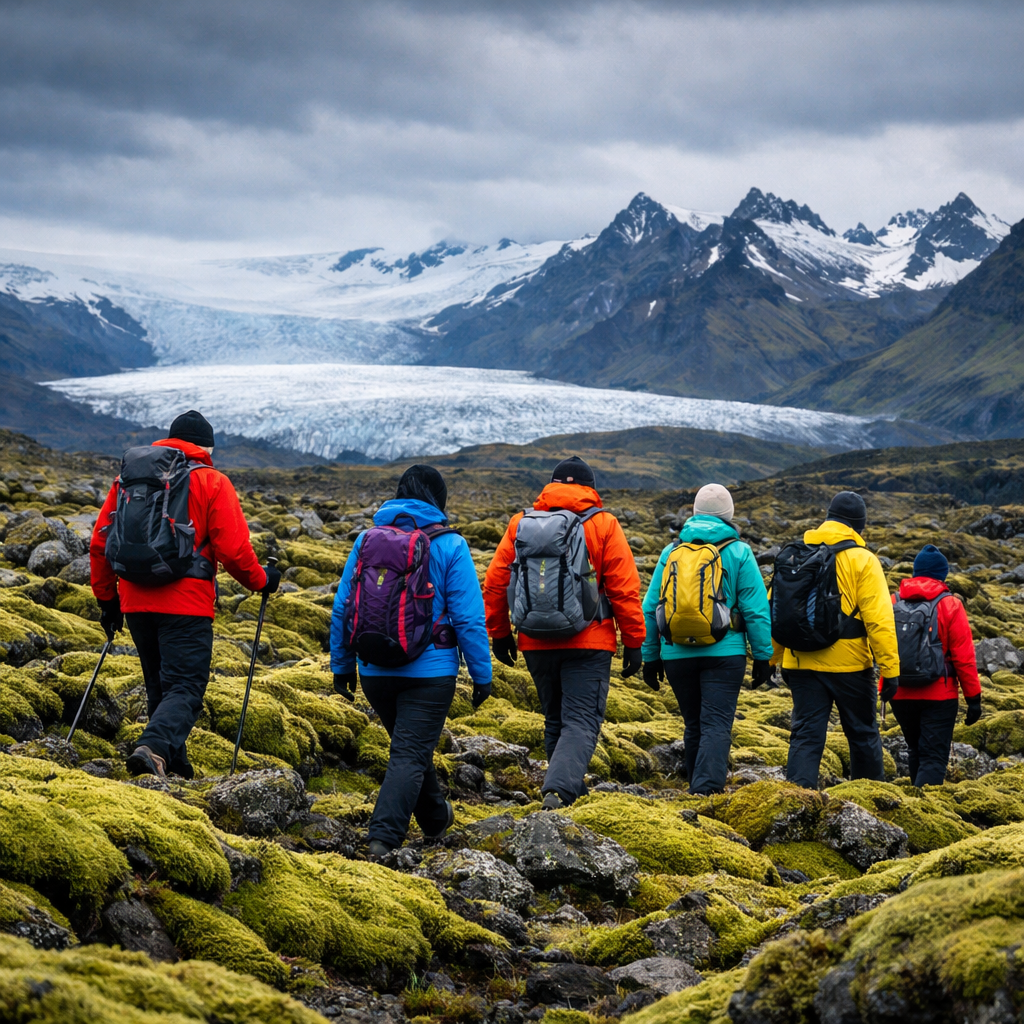
Best Iceland Small-Group Tours for Solo Travelers, Vetted by Experts
Iceland has tours designed for solo travelers—and small-group formats are the sweet spot. Expect cohorts of roughly 4–18 travelers, land-only pricing that typically runs about $2,500–$5,000 for 5–9 days, and bucket-list activities like glacier hikes, ice caves, Silfra snorkeling, and Northern Lights hunts. Caps of around 10–18 are common on small-group tours in Iceland, keeping things social but not crowded, with guides who can adapt plans to weather shifts, per industry listings. Budget-to-premium per-day pricing usually spans ≈$99–$512+, per operator comparisons. For activity depth—especially glacier hiking and Silfra—small-group nature tours consistently lead the way.
At a glance: our recommended solo-friendly operators Travel Beyond Boundaries helps you compare these options by season, group size, and activity depth.
- G Adventures — Social, well-run small groups with adaptable Northern Lights strategies and classic highlights.
- Intrepid Travel — Compact cohorts (often ≤12) across Standard and Premium tiers; strong value-to-inclusion clarity.
- Arctic Adventures — Mid-range day and multi-day catalog with sustainable options and wide activity coverage.
- Snaeland Travel — Very small/private touring (max 4) and multilingual guides for introverts or privacy-seekers.
- Nicetravel — Family-run, personable short tours (ice caves, Snæfellsnes) with an intimate feel.
- Troll — Small buses and responsive local service; well-reviewed for weather flexibility.
- Reykjavik Excursions — Reliable day trips and transfers with frequent departures and select minibus offerings.
Why small groups work for solo travelers in Iceland
A small-group tour in Iceland typically caps groups between 10 and 18 travelers and uses minibuses or 4–6 seat vehicles. Smaller sizes mean more guide attention, quieter viewpoints, and schedule flexibility when weather changes—key for solo travelers who value ease, safety, and natural camaraderie (data from small-group tours in Iceland).
Benefits in practice: small buses of 10–17 can squeeze into less-busy pullouts, add detours to Kvernufoss, and pivot to clearer Vatnajökull viewpoints when conditions shift. Very small cohorts (4–6) can access more rugged tracks and maximize guide time.
- 4–6 travelers: Highest personalization and access; higher per-day price.
- 10–12 travelers: Social, flexible pacing; strong value sweet spot.
- 16–18 travelers: Most cost-effective; still small enough for hidden-gem stops.
How we vetted these tours
We scored tours on: group size caps, guide credentials and safety culture, refund/cancellation flexibility, solo-friendly pacing, per-day price vs. inclusions (gear, activities, entrances), and seasonal availability. We reviewed aggregator comparisons, operator pages, and traveler forums, prioritizing reliability during Iceland’s fickle weather and consistent value. Multiple traveler reports note small operators handling weather cancellations proactively and communicating clearly, as seen in traveler forums. Travel Beyond Boundaries verifies group caps, safety credentials, and refund terms against seasonal conditions before recommending departures.
Quick tip: Compare per-day prices (≈$99 budget, ≈$280 mid-range, ≈$512+ premium) against what’s included—gear, specialty add-ons like ice-caving or boat tours, and any entrance fees—rather than headline totals (benchmarks from Iceland tour operators).
Travel Beyond Boundaries
We’re comparison-first travel experts for independent adventurers who want structure with flexibility. Our picks emphasize value, safety, and seasonality—always with transparent, land-only “from” pricing and clear trade-offs between guided and self-guided options. For deeper planning, explore our Tours hub and our Destinations hub. We also flag single supplements, roommate matching, and cancellation terms up front.
G Adventures
Best for: Social travelers who want popular highlights plus adaptable Northern Lights strategies, with mixed-ability activities like waterfalls and glacier walks.
What to know: Popular 5–7 day itineraries include Northern Lights & Golden Circle (typically capped around 16) and 7-day routes linking Reykjavik, Akureyri, Mývatn, and Vatnajökull. On operator lists, indicative pricing trends run from roughly $333/day, with 7-day examples around $3,249, varying by season and inclusions. Fit for solos: groups are small enough to feel personal, guides are reliable in changing conditions, and activity variety works across fitness levels.
Intrepid Travel
Best for: Travelers seeking compact cohorts and clear tiering (Standard vs. Premium) with strong value-for-inclusions.
Cohort and pricing signals: Many trips cap near or below 12 travelers. Sample trips include a 6-day Northern Lights Escape from about USD $2,716 and an 18–35s Six Days in Iceland around USD $1,377, per Intrepid Travel. Premium options listed on aggregators can approach about $512/day for 8-day trips—worth it if you prioritize upgraded stays, more inclusions, and slightly slower pacing.
Highlights: The Golden Circle trifecta—Thingvellir, Gullfoss, and Geysir—plus a restorative Blue Lagoon soak often bookend active days.
Arctic Adventures
Best for: Active solos who want a broad day-tour catalog and flexible 2–3 day add-ons at mid-range prices.
Value and experiences: Per-day estimates commonly sit near $280 on operator lists, reflecting a wide selection without premium mark-ups. Unique offerings include sustainability-framed small-group options and the Langjökull ice tunnel, cited among the best tour companies in Iceland. Ideal if you want to stitch together glacier hikes, ice caves, and short overnights around a Reykjavik base.
Snaeland Travel
Best for: Introverted solos or privacy-seekers who want very small groups and custom pacing.
Format and pricing: Private and very small-group itineraries with max group sizes around 4 on “Best of Iceland”-style trips, with multilingual guiding (English, German, Italian, French, Spanish). Operator listings show per-day rates starting near $127, but note that private configurations change the total cost structure. Expect excellent control over timing and off-track access.
Nicetravel
Best for: Time-crunched solos who want personable, family-run guidance and immersive short tours.
Why it stands out: Known for curated small-group itineraries with strong coverage of ice caves, Snæfellsnes, and South Coast highlights, delivered by Icelandic families and local experts. Compared with bigger brands, Nicetravel focuses on shorter routes and tailored service—perfect for building social connections without committing to long itineraries.
Troll
Best for: Solos who value small-bus comfort and responsive service.
What we hear: Repeat visitors praise bus sizes around 12–16 and clear communication when weather forces changes. Advice for solos: confirm refund and cancellation terms up front—handling cancellations well is a recurring theme on traveler forums. Look for South Coast plus glacier hike or Golden Circle routes with hidden-gem add-ons.
Reykjavik Excursions
Best for: Practical, reliable day trips and transfers that simplify solo logistics.
Strengths: Frequent departures, easy pickup from Reykjavik, and select minibus itineraries for a small-group feel. Smart pairing: book airport or Blue Lagoon transfers with an afternoon Golden Circle or South Coast sampler to maximize limited time. Always check group size caps per itinerary.
What to expect on tour
Typical day flow:
- Hotel pickup and brief safety intro.
- Morning headliner (e.g., Thingvellir or South Coast waterfall).
- Midday activity such as a glacier hike or Silfra snorkel.
- Scenic stops and photo breaks on the return leg.
- Local dinner recommendation or included group meal.
- Optional Northern Lights chase if conditions align.
Common inclusions: Expert local guides, minibuses, safety gear for glacier hikes, and flexible timing for Northern Lights when conditions suggest better chances (as noted across small-group tours and operator norms).
Top activities, in brief:
- Glacier hikes in Skaftafell, with expert guidance on Vatnajökull—often 2–3 hours on crampons.
- Silfra snorkeling between tectonic plates—about a 3-hour window including briefing and in-water time.
- Golden Circle add-ons like Brúarfoss and Kerið when minibuses enable less-crowded stops.
When to go and what changes by season
Seasonal snapshot
| Season | What to expect | Solo traveler notes |
|---|---|---|
| Summer (Jun–Aug) | Long daylight, lush landscapes, puffins nesting—about 60% of the world’s Atlantic puffins. The Westman Islands’ Stórhöfði has a dedicated viewing shelter (see puffin viewing insights). | Highest prices and demand; book early. Great for longer hiking days and boat tours. |
| Shoulder (May, Sep–Oct) | Fewer crowds, variable weather, good pricing windows; autumn colors peak in Sep–Oct. | Strong value months; bring robust rain gear; aurora potential starts in fall. |
| Winter (Nov–Mar) | Northern Lights focus; ice caves typically accessible; short daylight and icy roads make guides invaluable. | Small-group tours reduce winter driving stress and improve aurora flexibility. |
Booking horizon: In peak months, accommodations can fill 9–12 months ahead; popular small-group tours also sell out early—reserve preferred dates well in advance (a common refrain on traveler forums).
How to book and save
- Compare per-day value, not just totals: budget ≈$99/day, mid-range ≈$280/day, premium ≈$512+/day—then weigh inclusions (gear, entrances, ice caves, boat rides).
- Ask about single supplements, solo room availability, and roommate matching; compare the true total with and without the supplement.
- Prioritize flexible fares and clear cancellation policies; reports suggest some small operators manage weather cancellations proactively—use that to reduce risk. Travel Beyond Boundaries consolidates per-day value and policy details across operators so you can book with clarity.
Packing and preparation tips for Iceland tours
Checklist essentials:
- Waterproof shell, insulating mid-layers, gloves and beanie; waterproof boots with tread.
- Swimwear and quick-dry towel for hot springs and lagoon stops.
- Compact daypack, reusable water bottle, power bank, universal adapter.
Activity notes: Glacier-hike gear (crampons, helmet) is commonly included—confirm with your operator. Planning reminders: Reserve limited-capacity activities and popular lagoons early, and align touring hours to daylight for your season.
Solo traveler essentials and safety
Why small groups shine in winter: Pros handle snow and ice driving, monitor forecasts, and can pivot to clearer skies for aurora viewing—removing the biggest stressors for solo travelers (consistent across small-group operator practices).
Social tips:
- Choose cohorts of 16 or fewer to keep things friendly and flexible.
- Join guide-organized dinners or optional evening outings.
- Opt into add-ons (Silfra, ice cave) to bond over shared milestones.
Safety checklist: Confirm operator licensing/insurance, 24/7 contact, weather and cancellation protocols, and pickup logistics. Save local emergency numbers before wheels-up.
Frequently asked questions
Are there Iceland tours designed for solo travelers?
Yes—many small-group tours welcome solos with 10–18 traveler cohorts and guided logistics. Travel Beyond Boundaries can help you compare solo-friendly departures.
How do single supplements work on small-group tours?
A single supplement is a fee for your own room; some operators offer roommate matching or discount/waive the supplement in low season. Travel Beyond Boundaries flags these options so you can compare totals.
Is winter a good time for a small-group tour and Northern Lights?
Yes. Winter tours pair expert driving with flexible schedules for aurora conditions, and Travel Beyond Boundaries highlights departures with flexible aurora plans and clear cancellation terms.
What fitness level is needed for glacier hikes and ice caves?
Most guided glacier hikes are moderate, about 2–3 hours on uneven, icy terrain with crampons and helmets provided; ice caves often involve short hikes with occasional stooping. Travel Beyond Boundaries notes activity grades and required gear in our comparisons.
What’s typically included and what costs extra?
Typically included: transport, expert guide, select activities, and glacier-hike safety gear. Extras often include optional add-ons (ice caves, boat tours), some meals, and premium hot spring entries; Travel Beyond Boundaries lays out per-day pricing versus inclusions so you know what you’re paying for.