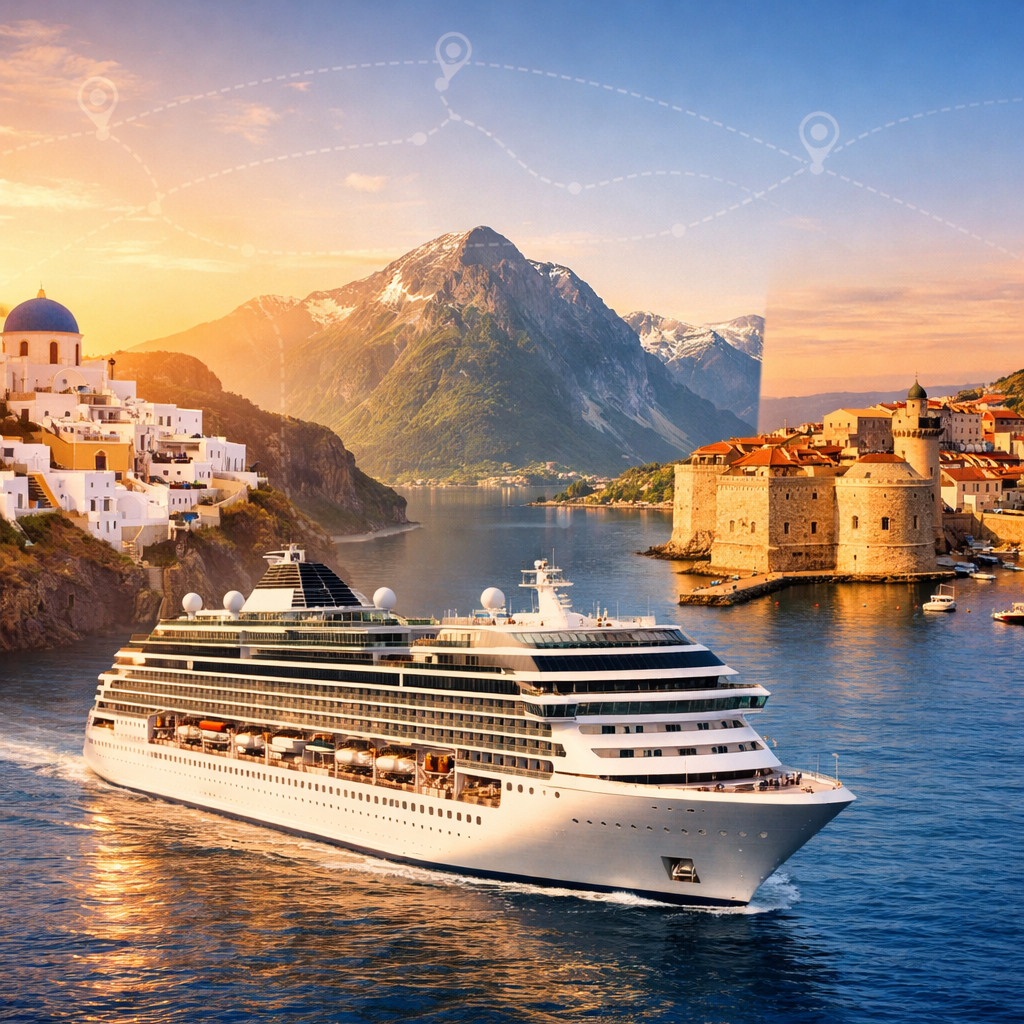
Best Cruise Lines for Extended European Voyages, Expert Picks 2026
Extended European itineraries (10–21+ nights) are built for deeper travel: more ports, longer calls, and strategic overnights that reward curiosity and stamina. On voyages this long, ship choice matters—mass‑market lines win on price and family features, premium lines add comfort and cuisine, and luxury lines minimize friction with broader inclusions. According to a Consumer Reports analysis of nearly 19,000 members, the typical price paid for a cruise is just over $2,750 per adult, a baseline that rises for longer Europe routes and higher tiers.
“Extended European voyage” definition: “An extended European voyage spans 10–21+ nights across the Mediterranean, Northern Europe, or both, favoring port‑dense schedules, occasional overnights in marquee cities, and ample sea days for recovery. It’s designed for travelers who value cultural immersion, comfortable cabins, and robust enrichment over quick-hit, seven‑night samplers.”
Travel Beyond Boundaries
Our POV is practical and comparison‑led: choose the right line by route design, inclusions‑versus‑cost clarity, loyalty value, and cabin comfort—especially for multiweek Europe sailings. We benchmark itinerary depth (port density, late stays, overnights), enrichment quality, what’s included versus daily extras, sea‑day rhythm, family amenities, and per‑day pricing trends. Consumer Reports’ survey of nearly 19,000 members helps ground satisfaction and spend ranges, while AAA projects 21.7 million U.S. travelers will book an ocean cruise in 2026—demand that compresses deals during peak seasons. For deeper planning, see our destination guides and deals playbook on Travel Beyond Boundaries’ Destinations hub: https://www.travelbeyondboundaries.com/categories/destinations/ We update it regularly.
1. Viking
Viking’s ocean ships are purpose‑built for destination focus: no casinos, Scandinavian design, strong enrichment, and an adults‑centric environment. The Points Guy named Viking the Best Adults‑Only cruise line in 2026, underscoring its quiet, culture‑first appeal on 10–21+ night routes across the Med, Baltics, and Norway (source: TPG Awards 2026: Cruise Winners at The Points Guy).
Adults‑only cruise definition: “An adults‑only cruise limits access to guests above a specified age, typically 16–18+, shaping a quieter onboard ambiance. Programming skews to culture, cuisine, wellness, and lectures rather than kid‑forward attractions, which can improve pool, spa, and dining availability on long itineraries with multiple sea days.”
Compared with premium peers, Viking’s fares include wine/beer at meals, Wi‑Fi, specialty dining variants on certain ships, and a shore‑tour baseline—often fewer inclusions than top luxury brands but more than mass‑market lines. Viking’s reputation is strong; it was voted No. 1 for rivers and ocean in 2025 by Condé Nast Traveler (as reported by TheTravel).
2. MSC Cruises
MSC brings vast European coverage, new hardware, and sharp pricing that appeals to families planning long Mediterranean cruises and shoulder‑season Northern Europe cruises. Strengths include innovation, diverse itineraries, and value; watchouts include crowding and sometimes inconsistent service on big ships (source: Cruise.Blog’s ranking of cruise lines). The brand’s growth footprint is real—from rapid fleet additions to major U.S. infrastructure—and its American‑focused MSC World America showcases purpose‑built family features. Condé Nast Traveler’s Hot List highlighted seven‑night MSC World America sailings from about $598 and family perks like waterslides and kids’ clubs, a useful benchmark for MSC’s value positioning on longer itineraries.
Best fit: budget European cruises, family cruise Europe seekers, and mega‑ship amenities fans who prefer lively sea days and broad dining choices over quiet luxury.
3. Celebrity Cruises
Celebrity is a sweet spot for adults and couples who want refined dining, serene design, and attentive service on 12–21 night Europe routes. Its vibe is upscale and adult‑oriented, with gourmet dining and elegant spaces; families with very young kids seeking theme‑park‑like thrills may find better fits elsewhere (as profiled in Cruise.Blog’s comparative rankings). Expect port‑intensive Mediterranean cruise extended itineraries, occasional overnights in cultural capitals, and smaller‑ship access to tighter harbors on select vessels.
Pros for long voyages:
- High‑quality dining and wine programs
- Calmer pool and lounge scene than mega‑ships
- Thoughtful design and art collection
Trade‑offs:
- Less kids’ programming versus the biggest family lines
- Entertainment variety narrower than mega‑ship spectacles
4. Princess Cruises
Princess sits in the classic premium tier under Carnival Corporation—comfortable, refined, and slightly older‑skewing, which suits longer Mediterranean sailings and Northern Europe cruises. Its quietly consistent strengths—solid enrichment, approachable service, and steady dining quality—matter when you’re onboard for 14–21 nights. In a 2026 roundup, the New York Post gave Princess 5/5 for food and 5/5 for entertainment, reinforcing its reliability over time.
Why it fits extended itineraries:
- Dining consistency reduces “menu fatigue”
- Relaxed sea‑day rhythm with well‑attended lectures and music
- Mixed‑age, but with an older average that favors quieter nights
5. Holland America Line
Holland America Line leans into immersive itineraries with longer port days, traditional programming, and a relaxed onboard vibe that shines on multiweek Europe sailings. Think Baltics and Norway, Iberian coast, and “grand voyage” arcs linking regions at an unhurried pace (as noted in Cruise.Blog’s brand profiles).
Princess vs. Holland America for 14–28 nights:
| Category | Princess Cruises | Holland America Line |
|---|---|---|
| Dining style | Consistent, approachable premium | Classic menus with regional touches |
| Enrichment tone | Mainstage shows + lectures | Strong lectures, live music focus |
| Average age vibe | Middle to older | Older, culture‑forward |
| Music/lecture programs | Broadway‑lite + talks | Lincoln Center‑style music, talks |
| Ideal traveler | Balanced premium seekers | Traditionalists, port‑time maximizers |
6. Royal Caribbean
For families and activity lovers stretching to 12–21 nights in Europe, Royal Caribbean offers unmatched onboard options—ice shows, surfing simulators, neighborhood‑style promenades—and robust loyalty value. It’s ideal for families and adventure seekers and remains a Europe mainstay; its loyalty program and family offering won 2026 accolades from The Points Guy. Trade‑offs on long trips include higher energy and crowd levels, plus big‑ship logistics in older European ports.
Cruise loyalty program definition: “A cruise loyalty program rewards repeat guests with tiered perks like discounts, priority check‑in, laundry, Wi‑Fi, and lounge access. On multiweek sailings, benefits stack—daily credits, laundry allotments, and internet—making long itineraries more comfortable while stretching onboard budgets.”
7. Oceania Cruises
Oceania is upper‑premium—often described as “luxury‑lite”—with standout cuisine, country‑intensive routing, and ships sized to balance comfort with port access. It excels on 14–30‑night Europe itineraries where culinary depth and leisurely port immersion matter. Versus fully all‑inclusive luxury, Oceania typically includes fewer shore excursions but shines with specialty dining and service cadence that holds up across long Mediterranean itinerary days and Northern Europe stretches.
Why it fits long voyages:
- Superb specialty dining rotation prevents fatigue
- Comfortable cabins and lounges for sea‑day reading and work
- Port‑dense schedules with thoughtful overnight choices
8. Regent Seven Seas Cruises
Regent’s all‑inclusive luxury cruise model is purpose‑built to reduce friction on 14–28 night Europe sailings: shore excursions, fine dining, premium drinks, and flights on select bookings are often included, with suite categories that can reach the tens of thousands for longer trips (as documented by TheTravel’s 2026 luxury cost overview).
All‑inclusive cruise definition: “An all‑inclusive cruise bundles most trip essentials—meals, specialty dining, alcohol, Wi‑Fi, gratuities, and a slate of shore excursions—into the fare. On multiweek itineraries, this simplifies budgeting, trims admin time, and reduces surprise costs, especially for guests who tour frequently and enjoy premium beverages.”
9. Explora Journeys
Explora Journeys is a newer luxury entrant emphasizing design‑forward ships, wellness, and flexible, linger‑longer dining—well suited to multiweek European explorations. Inclusions are generous but positioned boutique‑style rather than as exhaustive as some peers; the ethos is quiet luxury and destination immersion over spectacle.
Who it’s for:
- Design lovers who value residential aesthetics
- Travelers seeking flexible dining without fixed seating
- Couples prioritizing spa, wellness, and time in port
10. Silversea Cruises
Silversea targets ultra‑luxury travelers who want high staff‑to‑guest ratios, butler service, and curated excursions across Europe grand voyages. Inclusions cover many essentials, and the service model prioritizes dining pacing, personalized shore support, and suite comfort that becomes priceless across 20+ nights.
Staff‑to‑guest ratio definition: “Staff‑to‑guest ratio indicates how many crew members serve each passenger. Lower ratios (more crew per guest) typically mean faster service, better table pacing, proactive housekeeping, and tailored shore support—advantages that compound on long itineraries where daily routines and special requests add up.”
How we chose these cruise lines
We prioritized: itinerary depth and port density; late stays/overnights; enrichment quality; inclusions vs extras; cabin and bed comfort; sea‑day rhythm; family amenities; loyalty value; and per‑day pricing trends. Consumer Reports surveyed nearly 19,000 members and rated 19 ocean cruise lines, reporting a typical cruise spend just over $2,750 per adult; AAA projects 21.7 million U.S. ocean cruise bookings in 2026—both underscore why careful line selection matters for extended itineraries. At Travel Beyond Boundaries, we apply this rubric consistently across seasons to reflect real‑world trip trade‑offs.
Quick‑compare summary:
| Line | Best for | Inclusions snapshot | Ideal trip length |
|---|---|---|---|
| Viking | Adults‑only culture seekers | Wine/beer with meals, Wi‑Fi, enrichment | 10–21+ nights |
| MSC Cruises | Budget and families | A la carte model; packages add value | 10–21 nights |
| Celebrity | Couples, design‑minded adults | Premium dining focus; add‑on excursions | 12–21 nights |
| Princess | Classic premium, older‑leaning | Solid enrichment; packages available | 14–21 nights |
| Holland America | Traditionalists, port immersion | Strong music/lectures; add‑on tours | 14–28 nights |
| Royal Caribbean | Families, activity fans | Big‑ship amenities; loyalty value | 10–21 nights |
| Oceania | Food‑forward, upper‑premium | Specialty dining; fewer included tours | 14–30 nights |
| Regent | All‑inclusive luxury, seamless | Excursions, drinks, dining, some air | 14–28 nights |
| Explora Journeys | Boutique luxury, wellness | Flexible dining; curated inclusions | 12–21+ nights |
| Silversea | Ultra‑luxury, high service | Butler service; many essentials included | 14–30+ nights |
How to match a line to your extended Europe trip
- Pick your priority: itinerary depth vs cost vs inclusions.
- Itinerary depth/port time first? Choose Viking, Princess, or Holland America.
- Cost/family activities? Choose MSC or Royal Caribbean.
- Luxury/inclusions with minimal add‑ons? Choose Regent, Oceania, or Silversea.
- Pick your ship vibe: adults‑only quiet vs activity‑rich family.
- Adults‑only cruise Europe seekers gravitate to Viking or select luxury lines.
- Family vs adults‑only balance tips scale toward Royal Caribbean or MSC for kids.
- Pick cabin and dining strategy for 14–21+ nights.
- Aim for a bed and layout you can live with, plus dining cadence (specialties) that prevents menu fatigue and supports sea‑day routines.
Best regions for extended European voyages
| Region | Typical Length | Port Style | Who It Suits | Notes |
|---|---|---|---|---|
| Western Mediterranean (Spain/France/Italy) | 12–21 nights | Port‑dense, short hops | Food/culture lovers | Overnights: Barcelona, Marseille, Rome (via Civitavecchia) |
| Eastern Mediterranean (Greece/Turkey/Adriatic) | 10–21 nights | Mix of islands and heritage cities | History buffs, beach time | Overnights: Athens, Dubrovnik, Istanbul |
| Northern Europe/Baltics (Norway, Iceland, Baltics) | 12–21+ nights | Longer sails, scenic cruising | Nature and photography | Overnights: Copenhagen, Reykjavik, Stockholm |
| British Isles/Iberia | 12–21 nights | Weather‑flexible, sea‑day balance | Literary and whisky trails; tapas fans | Overnights: Dublin, Lisbon |
| Grand Med/Repositionings | 14–30 nights | One‑way, cross‑basin | Collectors, off‑peak deal hunters | Overnights: Barcelona, Athens, Valletta |
Planning tips for multiweek European cruises
- Budget smart: Use per‑day math. The typical cruise spend is just over $2,750 per adult for standard trips; extended European itineraries and luxury suites trend higher. Add daily gratuities, Wi‑Fi, excursions, beverages, and specialty dining where not included (source: Consumer Reports).
- Hunt deals efficiently: Start with Travel Beyond Boundaries’ deals playbook and fare‑watch tips, then use tools like Cruise Critic’s Deal Score to compare value across dates and lines; set price alerts and check loyalty and credit card promos for stackable savings.
- Shore strategy: Prioritize included excursions where available (Regent/Silversea) and pre‑book third‑party tours for sold‑out hotspots. Build in “wander days” to avoid burnout on port‑dense runs.
- Families and activities: Royal Caribbean is ideal for family European cruise plans with entertainment depth; MSC layers strong value and kid‑friendly features like waterslides and clubs for longer voyages.
Frequently asked questions
What counts as an extended European cruise and how long should I plan?
An extended European cruise typically runs 10–21+ nights with deeper port rotations and occasional overnights; plan 12–14 nights for balance or 21+ to span multiple countries—see Travel Beyond Boundaries’ Destinations hub for sample routes.
How much should I budget per person for long Europe sailings?
As a baseline, typical cruise spend is just over $2,750 per adult for standard trips; extended Europe and luxury categories run higher, and you’ll add daily gratuities, excursions, drinks, and Wi‑Fi—our deals playbook outlines where add‑ons accumulate.
Is an all-inclusive cruise better value on multiweek itineraries?
Often, yes; bundling excursions, premium dining, drinks, and sometimes flights can reduce add‑ons and planning friction over 14–28 nights, and our Destinations hub can help you judge if your habits justify the premium.
Which months offer the best mix of weather and fewer crowds in Europe?
Late spring (May–June) and early fall (September–October) usually balance pleasant weather with lighter crowds in many Mediterranean and Northern Europe ports; for date picks by region, visit Travel Beyond Boundaries’ Destinations hub.
How far in advance should I book extended itineraries and excursions?
Book 9–12 months out for the best cabin selection and pricing, then reserve high‑demand excursions soon after; for all‑inclusive lines, lock in early to secure included tour slots—our planning guides outline typical release windows.