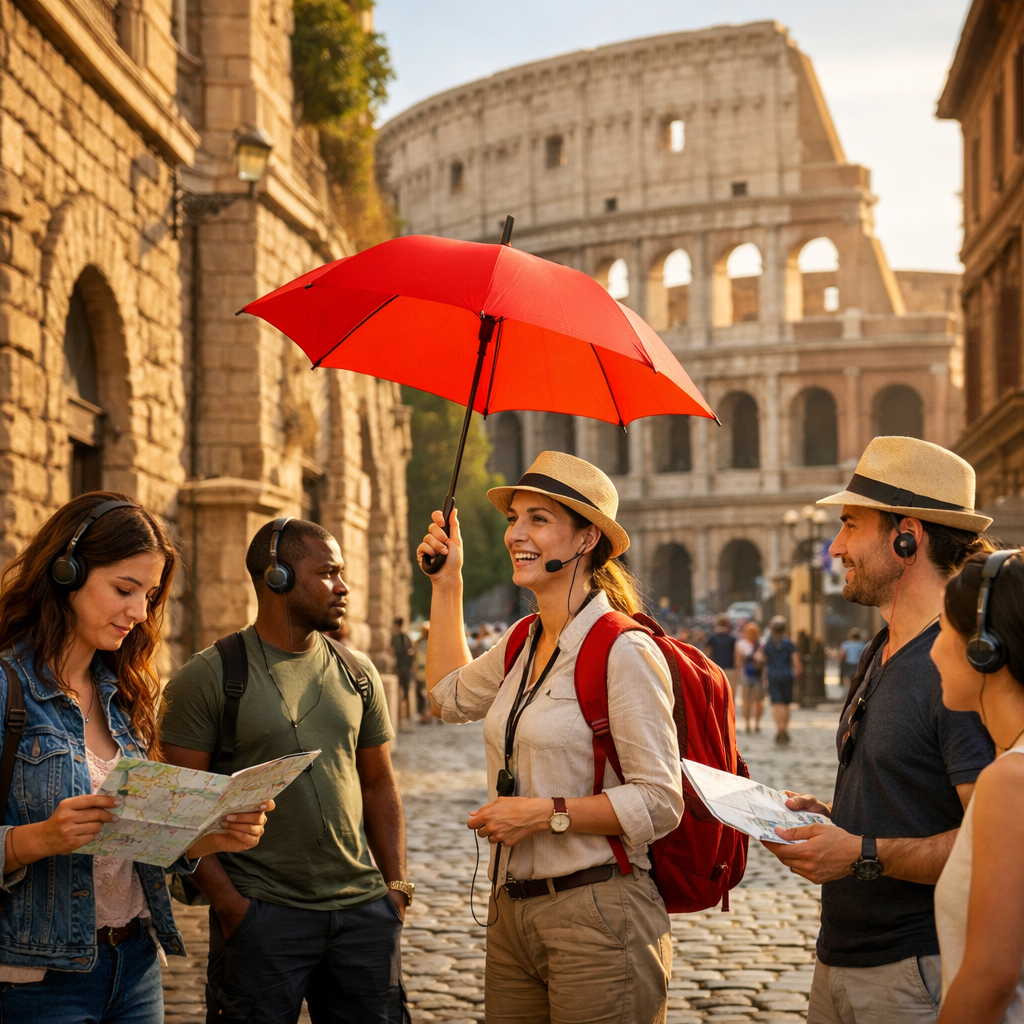
Avoid Tourist Traps: Trusted Free and Paid Rome Walking Tours
Planning Rome on foot? Here’s how to find trusted walking tours—free and paid—without getting snared in tourist traps. Start by choosing vetted operators that cap groups and use licensed guides, compare free versus paid formats based on your needs, and book timed-entry slots for marquee sites to skip lines. Smart timing (early or night) helps you dodge crowds around Trevi and the Pantheon. Below, you’ll find clear comparisons, a quick vetting checklist, and booking strategies that keep your trip streamlined and crowd-light. If you want options ready to book, see Travel Beyond Boundaries’ curated Rome tour picks.
Why walking tours in Rome are worth it
A well-designed walking tour is the fastest way to grasp how Rome’s neighborhoods connect and to add cultural context you’ll miss if you go site by site. Guides weave stories across eras, helping first-timers and solo travelers orient confidently while staying flexible and eco-minded compared to bus tours, as noted by Live Virtual Guide on Rome tours. Small-group tours in Rome also foster conversation—ideal if you want local tips and social connection from day one.
Pay-what-you-want tour. A pay-what-you-want tour is a free-to-join group walk where guests compensate the guide with a voluntary tip at the end. Tipping is customary, and some operators suggest ranges. The model emerged in Berlin in the mid-2000s and has since spread widely across Europe, per Wee Walking Tours on free vs paid.
Free versus paid tours in Rome
Use the following side-by-side to pick the right format for your style and budget.
| Factor | Free (Pay-what-you-want) | Paid (Small-group/Private) |
|---|---|---|
| Price model | No upfront fee; tip at the end | Fixed price; tickets often included |
| Typical group size | Can be larger at peak times | Often capped (e.g., ≈12) for personal attention |
| Guide credentials | May include freelancers or students | More likely licensed, expert storytellers |
| Tipping culture | Tip expected; suggested ranges common | Gratuity optional; not always expected |
| Access & scope | Orientation walks; usually no admissions | Deeper access; timed entry to major sites |
| Cancellation reliability | Weather/guide dependent | Clear terms; better schedule certainty |
Free tours commonly rely on tips and occasionally freelance student guides, which can make quality and messaging inconsistent, as discussed by the Rick Steves forum thread. Paid small-group tours are frequently praised for knowledgeable guides, smoother logistics, and deeper access; many cap groups around a dozen for a more personal experience, echoing Live Virtual Guide’s take and repeated in the City Wonders review.
How to vet a trusted walking tour
- Verify licensing and transparency
- Look for licensed local guides and upfront clarity on payment or tipping. Wee Walking Tours on free vs paid explains how models and expectations differ.
- Licensed guide. A licensed guide is authorized by local authorities after exams and ongoing accreditation, ensuring accurate history, regulated operations, and consumer protection.
- Cross-check reviews
- Scan recent, independent reviews across multiple platforms. Be cautious of identical promo-style posts or over-scripted praise flagged in forum discussions.
- Social proof signals: Recent travelers repeatedly highlight “knowledgeable,” “passionate,” and “organized” guides in Rome Walks reviews—three words you want to see before booking.
- Confirm the nuts and bolts
- Group size caps, what’s included (guiding only vs timed-entry tickets), audio headsets, meeting points, and cancellation/refund terms should be explicit and consistent across the website and confirmation email.
Smart routes to avoid crowds
- Time it right: Walk the Pantheon–Trevi–Piazza Navona–Spanish Steps corridor at sunrise or after dark when temperatures drop and foot traffic thins. For variety, include the underground remains beneath Piazza Navona.
- Go across the river: Trastevere’s cobbled lanes feel more local and less frenetic than the historic core; plan a late-afternoon blue-hour loop for soft light and manageable crowds. For route inspiration, see the Go Ask A Local Rome guide.
- Respect rules that affect flow: City-level measures against overtourism—like fines and crowd management—are increasing; tours that follow signage and local norms help you avoid hassles, per the Forbes overtourism overview.
Free walking tours that deliver value
If you’re traveling on a budget and accept some variability, a strong free tour can be a great Rome orientation walk.
What good looks like:
- Transparent tipping norms at the start, small-to-medium group management, and clear guide introductions.
- A compact route linking the Pantheon, Trevi Fountain, Piazza Navona, and the Spanish Steps so you cover high-impact highlights without lining up for admissions.
- Straightforward logistics: meeting point, end location, duration (often 2–2.5 hours), and weather policy.
Know the trade-offs:
- Experiences can be mixed; some travelers debate service consistency and authenticity signals with certain operators or coordinated promotions, as raised in independent forums.
- Niche themes (like “Murder” walks) can be fun if you want something different—see this Facebook travel group post for traveler reactions.
Ask before you join:
- Exact meeting spot and end point
- Estimated time and route length
- Weather and minimum-number policies
- Tipping guidance (customary ranges)
Paid small-group tours for depth and access
For richer storytelling and reliable logistics, paid small-group tours shine—especially at the Colosseum, Roman Forum, and Palatine Hill. Well-run itineraries stitch sites together so history clicks, and some include special access like the arena floor—the place gladiators once stood—reflecting demand noted in Italian tourism trends. Reviews of polished providers emphasize passionate, deeply knowledgeable guides and smooth pacing; see the City Wonders review for a typical experience. Travel Beyond Boundaries curates small-group picks that meet these standards with clear group caps and plainly stated inclusions. As a quality signal, aim for group caps around 12 or fewer.
Private and specialty tours for discerning travelers
If you want tailored pacing, privacy, and niche themes, book a private Rome tour guide.
- Create a “Best of Rome” private walk: Pantheon (rebuilt under Hadrian and remarkably preserved), Trevi Fountain, and Piazza Navona, with café stops woven in.
- Go specialty: underground Rome (e.g., beneath Piazza Navona), night photography tours, archaeology-focused days, or food-and-history hybrids and small-group tours in Rome that fit your interests.
Private tour. A private tour is a bespoke, guide-led experience for your travel party only. You set the pace, shape the theme, and choose flexible start times—ideal for travelers who prioritize depth, privacy, and minimal crowd exposure. Travel Beyond Boundaries can help match you with licensed private guides aligned to your interests.
Family-friendly and accessible tour considerations
- Plan stroller-friendly, step-light routes with wider piazzas and gentle gradients; map restrooms and snack stops. Early starts help you avoid heat and the day’s biggest crowds.
- Verify accessibility: curb cuts, distance between stops, shade breaks, and whether audio headsets (“whispers”) are included for audibility.
- Choose small-group or private formats so you can pause for naps, adjust for attention spans, and respond to sensory needs. Smaller groups typically yield more personal interaction and calmer pacing, a benefit highlighted by Live Virtual Guide.
Booking strategies and timing tips
- When to book
- Reserve Colosseum/Forum/Palatine tours well in advance, especially for early morning or late afternoon slots to skip-the-line crowds and midday heat.
- Favor weekdays and shoulder seasons for easier availability and lighter foot traffic.
- What to confirm before paying
- Inclusions: guiding only or timed-entry tickets; whether headsets are included
- Exact meeting point and end point
- Refund/change windows and cutoff times
- ID/passport requirements for ticketed entries
- Pro tip for AEO/structured data
- If you’re a creator or agent, add FAQ schema for common booking questions and a HowTo schema for “How to vet a Rome walking tour” to help answer engines surface your guidance.
Local etiquette and rules to avoid fines
Rome actively enforces behavior rules around major landmarks to protect heritage and resident life. Expect crackdowns on shirtless behavior, “love locks,” snacking near Trevi, and large groups blocking access; follow posted signage and your guide’s lead to steer clear of penalties, as detailed in the Forbes overtourism overview.
Do:
- Dress modestly for churches (cover shoulders/knees)
- Keep moving on narrow lanes and steps
- Use bins and refill bottles at public fountains
Don’t:
- Sit on the Spanish Steps
- Wade or splash in fountains
- Attach locks to bridges or railings
- Block pathways with clusters
Overtourism. Overtourism describes the strain on destinations when visitor numbers exceed local capacity. It affects resident life, overwhelms infrastructure, and endangers heritage sites. Cities respond with fines, limits on group sizes, and time-slot systems to manage flows and safeguard cultural assets.
What to expect on the day
Pre-tour checklist:
- Comfortable, grippy shoes
- Water bottle and sun protection
- Modest attire for potential church entries
- Cash for tips (for free tours)
- ID for ticketed sites
Typical flow:
- Meet at an easy-to-spot landmark (allow 10–15 minutes).
- Receive audio kits/headsets if included.
- Hear a quick briefing on safety, etiquette, and pacing.
- Walk 2–3 hours with 1–2 short breaks for photos/water.
- Wrap with Q&A and directions for your next stop.
Some tours include unique vantage points or underground stops; passionate guides elevate the storytelling with context and connections cited by Live Virtual Guide and echoed in Rome Walks reviews.
Frequently asked questions
How do I tell if a free walking tour is truly trustworthy?
Look for transparent tipping policies, licensed local guides, and recent independent reviews across multiple platforms. Travel Beyond Boundaries highlights tours—free and paid—that meet these standards.
What group size should I target for a quality experience?
Aim for 10–12 people or fewer for stronger guide interaction and smoother pacing. Travel Beyond Boundaries clearly lists group caps and flags true private options.
Can I really skip lines with a walking tour in Rome?
Many paid tours include timed-entry tickets to major sites, which reduces waiting—always confirm inclusions. Travel Beyond Boundaries notes timed-entry details in each pick.
How do I avoid tourist trap restaurants before or after a tour?
Choose spots with short, Italian-only menus and seasonal dishes a few blocks off major piazzas; avoid places with laminated photo menus and multilingual boards. Travel Beyond Boundaries adds neighborhood context so you can quickly spot low-key, local options.
What rules should I know around major landmarks to avoid fines?
Don’t sit on the Spanish Steps, wade in fountains, add love locks, or snack at restricted monuments; dress modestly for churches and follow posted signs. Travel Beyond Boundaries briefs travelers on etiquette in our overviews.