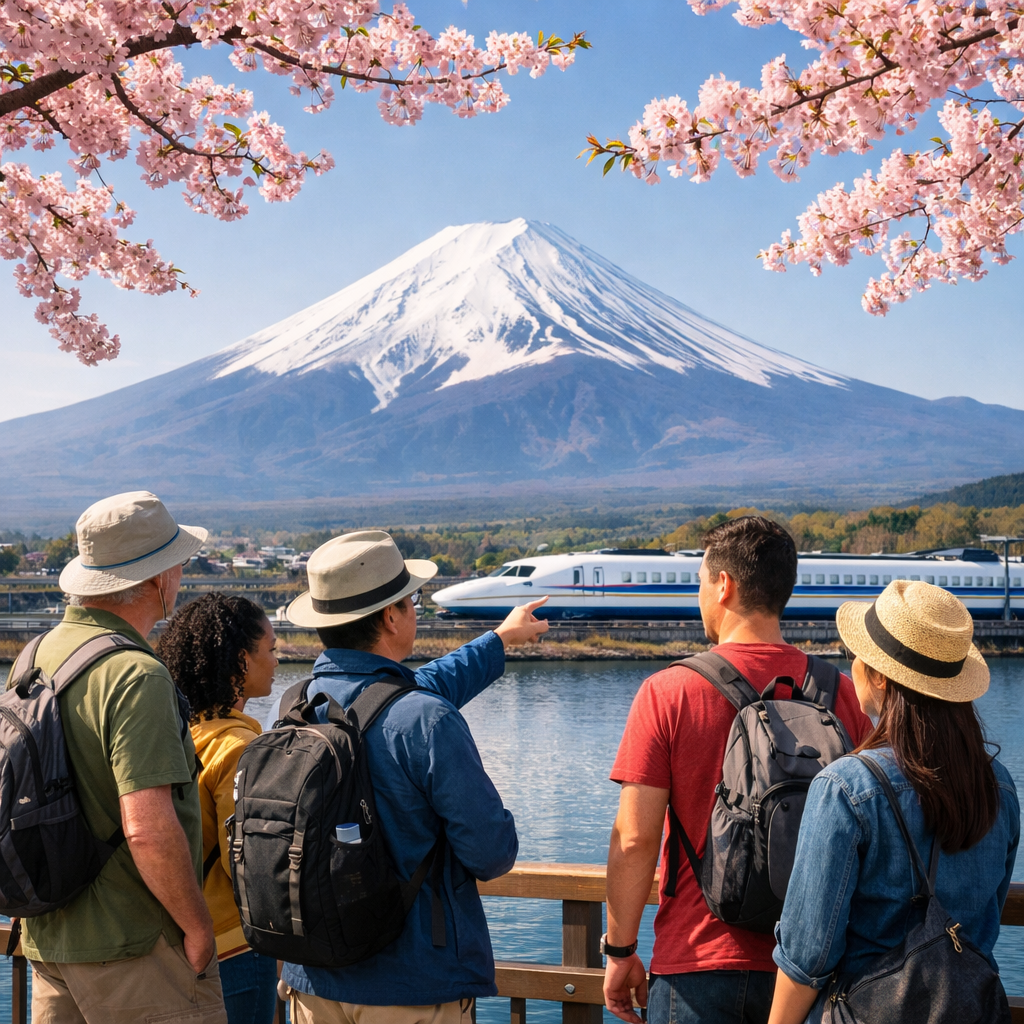
2026 Guide to All-Inclusive Japan Tours: Prices, Inclusions, Itineraries
Planning an all-inclusive Japan tour in 2026? Here’s the quick take: most packages bundle flights from select hubs, well-located hotels by class, daily breakfast plus some lunches/dinners, guided sightseeing with admission fees, and intercity transfers by Shinkansen or domestic flights. Expect about $3,000–$5,000 per person for a 10‑day flights-included tour, with 9–14 day options commonly $2,500–$6,500. Longer or private/premium itineraries frequently exceed $8,000–$10,000. Below, we decode inclusions vs. exclusions, price drivers, itinerary patterns, and where to compare reputable 2026 offers—including Travel Beyond Boundaries—so you can match the right route, style, and budget with confidence.
What all-inclusive means for Japan tours
“All-inclusive” in Japan tours means more than meals. In practice, it’s a bundled travel product that typically includes international flights (from select gateways), hotel stays in a specified class (charm/superior/luxury), daily breakfast plus selected lunches/dinners, guided city touring with admissions, and intercity transfers by coach, Shinkansen, or domestic flights. Meal counts and support levels vary—especially for self-guided packages that prioritize logistics over constant guiding, a structure featured by broad marketplace operators such as Exoticca’s Japan packages. Travel Beyond Boundaries also curates self-guided options with clear logistics for travelers who prefer independence.
All-inclusive differs by tour type:
- Escorted tours: a dedicated tour director plus local guides, with most logistics and many admissions included; meals are usually breakfast-heavy with some dinners.
- Semi-guided tours: a mix of guided days and free time, with key transfers and hotels secured; some admissions pre-included.
- Self-guided packages: hotels, transit, and select experiences bundled, but no dedicated guide day to day; great for independent travelers who want logistics handled.
Mini checklist to set expectations:
- Typically covered:
- Roundtrip or regional flights (on flights-included packages)
- Hotels by class tier, daily breakfast, select lunches/dinners
- Guided sightseeing and attraction entries listed in the itinerary
- Intercity transfers (reserved Shinkansen seats, coach, or domestic flights)
- Airport transfers where stated; occasional extras such as a rail/subway pass or local SIM on some programs
- Commonly excluded:
- Many lunches/dinners, tips/gratuities, checked-bag fees, travel insurance
- Single supplements for solo occupancy, optional excursions, room upgrades
- Airfare class upgrades, and certain seasonal surcharges
Typical prices and what drives cost
For 2026, 9–12 day escorted or semi-guided trips commonly range $2,500–$6,500 per person; extended or premium/private journeys often exceed $8,000–$10,000. Concrete examples from major operators include a 13‑day self‑guided Japan from about $2,799, a 15‑day combo from roughly $4,349, and an 18‑day Japan + Maldives at about $7,449—illustrating how duration and scope push price. Ten‑day flights‑included tours typically total around $3,000–$5,000 per person, while roundtrip economy fares from major US hubs often hover near $600–$1,400 in 2026. As a land‑only benchmark, a comfortable two‑week spend of roughly ¥400,000 (about $2,700) is a useful planning anchor. Travel Beyond Boundaries quotes track these ranges and itemize inclusions so you can see exactly how each choice affects cost.
Key cost drivers:
- Trip length and routing
- Hotel class (Charm/Superior/Luxury)
- Group size and guiding level
- Meal coverage and included admissions
- Upgrades (ryokan/onsen stays, private guiding, business-class air)
- Peak dates (cherry blossom/autumn foliage)
- Intercity mode (one-way Shinkansen vs. domestic flight legs)
Budget vs. Mid vs. Premium at a glance:
| Tier | Typical 2026 price band (pp) | Usual inclusions |
|---|---|---|
| Budget | $1,500–$3,000 (short) / $2,500–$4,000 (9–12 days) | Economy hotels, daily breakfast, key city tours, select admissions, Shinkansen transfers or coach, occasional flights-included flash sales |
| Mid-range | $3,500–$6,500 (9–14 days) | Superior hotels, reserved Shinkansen seats, more guided days, more admissions, some dinners, airport transfers on escorted programs |
| Premium/Private | $6,500–$12,000+ (12–18+ days) | Luxury or boutique stays (potential ryokan with onsen), small groups/private guide, upgraded meals/experiences, mixed Shinkansen + domestic flights, concierge support |
Reference points: TourRadar’s flights-included Japan listings show options from around US$3,553 for short routes, while AffordableTours’ 2026 Japan deals feature 12–14 day escorted offers frequently priced in the mid-to-high $3,000s to $5,000s before upgrades or peak-date surcharges.
What’s usually included
Inclusions that define value on a 2026 Japan package:
- Flights: Many “all-in” offers include roundtrip airfare from defined US/EU hubs; land-only prices are also common.
- Hotels: By tier (charm/superior/luxury), typically city-center or close to transit; occasional ryokan nights on premium programs.
- Meals: Daily breakfast is standard, with select lunches/dinners—check exact counts per day.
- Guided touring and admissions: City highlights (e.g., Tokyo neighborhoods, Kyoto temples) with tickets specified in the itinerary.
- Intercity transfers: Reserved Shinkansen seats for Golden Route segments; domestic flights for long hops (e.g., Hokkaido/Kyushu).
- Extras on select packages: local SIM, subway or JR regional pass, or baggage forwarding between cities.
Real-world examples include 13‑day self‑guided packages starting near $2,799 focusing on hotels and key transfers, as well as combo itineraries that spell out precise meal counts (e.g., “3 breakfasts in HK, 1 lunch in Japan”) on their day-by-day. Travel Beyond Boundaries details these inclusions line by line in each proposal.
What’s often not included
To avoid surprises, budget for:
- Meals not listed (many lunches/dinners), tips/gratuities, checked-bag fees, travel insurance, and optional excursions
- Single supplement, an extra fee (often hundreds to thousands) charged when a solo traveler occupies a double room
- Room upgrades such as private onsen suites and special-view rooms
- Airfare upgrades (business-class or premium economy), which can add thousands; one premium escorted sample notes a business-class upgrade from LAX at about $6,795, subject to availability per Odysseys Unlimited Insider’s Japan
- Occasional fuel surcharges and seasonal supplements (operator-specific; see typical policy pages at Japan Deluxe Tours)
Travel Beyond Boundaries flags these exclusions up front to keep total trip cost clear.
Itinerary patterns by trip length
Most Japan tours cluster into three lengths—short (4–9 days), standard (9–14 days), and extended (15–23+ days). As days increase, routes expand beyond the Golden Route to add Hiroshima/Miyajima, Himeji, Kanazawa/Shirakawa‑go, or farther regions like Hokkaido and Kyushu.
Duration map:
| Length | Core stops | Typical modes | Meal density |
|---|---|---|---|
| 4–9 days | Tokyo, Mt. Fuji/Hakone, Kyoto/Osaka | Shinkansen for intercity; metro/local buses | Breakfast daily; a few included lunches/dinners |
| 9–14 days | Golden Route + Nara/Hiroshima/Himeji/Kanazawa add-ons | Shinkansen + coach day trips | Breakfast daily; more guided meals and admissions |
| 15–23+ days | Golden Route + Hokkaido/Kyushu/Shikoku/Okinawa or multi-country | Mix of Shinkansen and domestic flights | Balanced meals; more specialty experiences |
Short 4–9 day routes
Focus on the essentials: Tokyo, Hakone/Mt. Fuji viewpoints, Kyoto/Osaka—connected by efficient Shinkansen segments—plus one specialty theme day (food or pop culture). Prices can dip near ~$1,500 on flash land-only sales, with flights-included short routes from about US$3,553 on TourRadar’s flights-included Japan listings. Who it suits:
- First-timers seeking headline sights on a tight schedule
- Travelers syncing a festival or event day Golden Route defined: the classic Tokyo–Mt. Fuji/Hakone–Kyoto–Osaka corridor showcasing modern cityscapes, heritage temples/shrines, and mountain views in a compact arc.
Standard 9–14 day routes
This is the sweet spot for depth without rush. A representative path is Tokyo–Mt. Fuji/Hakone–Kyoto–Nara–Osaka with common add-ons to Hiroshima/Miyajima, Himeji, or Kanazawa/Shirakawa‑go. AffordableTours’ 2026 Japan deals frequently show 12–14 day escorted programs from roughly $3,599–$5,909 depending on class and date, with periodic discounts. Premium small-group examples cite groups of about 12–24 guests and total pricing from Los Angeles around $7,684, per Odysseys Unlimited Insider’s Japan, including high-touch guiding. Many itineraries layer cultural touches—think calligraphy, tea ceremony, or craft workshops—akin to those featured on Go Ahead Tours Kyoto to Tokyo. Travel Beyond Boundaries offers comparable mid-range and premium departures with clear pacing notes.
Extended 15–23 day routes
Extra time unlocks regional diversity and a calmer pace. Consider Hokkaido for nature/wildlife, Kyushu for onsen and volcanic landscapes, Shikoku for pilgrimage towns, or Okinawa for beaches. Multi-country combinations—such as Japan plus Maldives—appear around the $7,449 mark on example listings. Logistics work best as a Shinkansen spine with select domestic flights and frequent two-night stays to reduce transit fatigue. Specialty programs (gardens, photography, food, birding) often price from roughly $4,398–$8,498 as shown across All Japan Tours specialty programs. Travel Beyond Boundaries plans extended routes with a Shinkansen-and-flight mix to minimize backtracking.
Core destinations and add-on regions
Most 2026 packages anchor on Tokyo, Kyoto, Osaka, Mt. Fuji/Hakone, Hiroshima/Miyajima, Nara, and Himeji. Build your route by choosing 2–3 base cities, adding 1–2 day trips (e.g., Nara, Himeji), and then a regional extension (Kanazawa, Hokkaido, or Kyushu) that matches your interests. For DIY pre-reading, see our guide on how to plan a Nara Park temple tour for fees and timing.
Golden Route highlights
Expect neighborhood-deep dives in Tokyo, Fuji views via Hakone, Kyoto’s temples and shrines, and Osaka’s street-food corridors. Golden Route is Japan’s primary first-timer corridor, threading Tokyo–Mt. Fuji/Hakone–Kyoto–Osaka with fast rail connections and marquee sights. Travel mode tip: Shinkansen between Tokyo and Kyoto/Osaka is fastest and most reliable; layer guided day trips to Nara or Himeji for heritage depth. Most standard 9–16 day itineraries package these highlights by default across mainstream 2026 catalogs.
Regional extensions and seasonal side trips
Match interests and timing:
- Hiroshima/Miyajima for history and island shrines
- Kanazawa/Shirakawa‑go for samurai districts and gassho‑zukuri farmhouses
- Hokkaido for summer wildflowers and winter snow
- Kyushu for onsen towns and volcanic scenery Intrepid Travel Japan tours regularly feature Kyoto, Kanazawa, Hiroshima, and Hokkaido on varied itineraries. Seasonal pairings:
- Winter: Sapporo snow and drift ice excursions
- Spring: Kanazawa gardens and cherry blossoms
- Summer: Okinawa beaches and island culture
- Autumn: Kyoto foliage and temple light-ups Definition: A ryokan is a traditional Japanese inn with tatami rooms, kaiseki dinners, and communal or private onsen baths—perfect for immersion in Hakone or Kyushu. Travel Beyond Boundaries integrates these seasonal pairings on request.
Tour styles and group sizes
Styles at a glance:
- Fully guided: tour director plus local guides handle end-to-end logistics and narration
- Semi-guided: a blend of guided days and independent time; logistics pre-arranged
- Self-guided: hotels, transit, and select experiences booked; you navigate independently Standard lengths typically cluster around 9–16 days across major operators. Small groups improve pacing and access; many premium programs cap at roughly 12–24 guests, as noted by Odysseys Unlimited Insider’s Japan. Travel Beyond Boundaries supports all three formats and helps you choose the right fit.
Fully guided versus semi-guided versus self-guided
- Fully guided:
- Guide presence: Escort + local specialists throughout
- Transfers: Managed end to end (Shinkansen seats, coaches, airport)
- Daily structure: Full touring days with scheduled entries
- Meals: Breakfasts plus select group dinners
- Ideal for: Travelers who want structure, storytelling, and ease
- Semi-guided:
- Guide presence: Guided city days + free days
- Transfers: Key intercity tickets included; some local transits on your own
- Daily structure: Mix of tours and free exploration
- Meals: Breakfasts; occasional lunches/dinners
- Ideal for: Balanced pace and some independence
- Self-guided:
- Guide presence: None day to day
- Transfers: Rail passes or point-to-point tickets included; clear instructions
- Daily structure: You set the pace with curated suggestions
- Meals: Mainly breakfasts
- Ideal for: Confident navigators who value flexibility and price Pricing cues: “Essential” self-guided sales can dip near $1,435 for 10 days, while “Premium” guided 12-day listings can list around $9,090 on sale—as seen on Intrepid Travel Japan tours. Always cross-check day-by-day inclusions and intercity modes (Shinkansen vs. domestic flights) before booking.
Private and small-group options
Private or capped small-group tours deliver customizable pacing, access to boutique stays (including private onsen suites on some catalogs), and deeper cultural programming. They’re worth it for complex multi-region routes, special occasions, or travelers prioritizing privacy and mobility needs. Expect many private/premium tiers to exceed $8,000–$10,000 per person depending on length and upgrades. Travel Beyond Boundaries arranges private guides and boutique stays on request.
Seasonal planning and best times to go
Peak demand coincides with cherry blossoms (March–April) and autumn foliage (October–November), when prices and crowds rise; shoulder months bring smoother logistics and savings. For packing, Tokyo’s average highs hover around 54°F in March, 62°F in April, 72°F in May, and 86°F in August, according to planning notes in Odysseys Unlimited Insider’s Japan. In 2026, Japan is also rolling out smarter crowd tools and encouraging visits to quieter regions to spread demand, as highlighted in Arigato Travel’s 2026 Japan trends. Travel Beyond Boundaries times sightseeing to avoid peak-hour bottlenecks where possible.
Booking tactics and value tips
- Start with route + length, then compare day-by-day inclusions (meals, admissions, transfers) line by line; Travel Beyond Boundaries provides apples-to-apples comparisons on request.
- Verify group size caps and guiding level; read recent reviews and look at traveler photos
- Check cancellation/flex terms and deposit requirements before locking flights
- Hunt for sales: many 2026 listings show discounts in the ~8%–29% range across AffordableTours’ 2026 Japan deals
- Airfare strategy: weigh flights-included value versus booking air independently (typical 2026 US–Japan economy fares often land ~$600–$1,400 roundtrip)
- Upgrade math: compare a packaged business-class add-on (e.g., around $6,795 from LAX on a premium escorted sample) with separate tickets; consider a single splurge night at a ryokan with onsen
Sample day-by-day inclusions to verify before booking
A strong itinerary should specify, per day:
- Meals (B/L/D)
- Guided vs. free time
- Included admissions (named sites and any timed entries)
- Intercity mode and train class with seat reservations (e.g., Shinkansen ordinary/reserved)
- Luggage forwarding (yes/no and bag limits)
- Hotel class and location
Example template:
| Day | Meals | Guided/free | Admissions | Intercity & class | Luggage forwarding | Hotel class/location |
|---|---|---|---|---|---|---|
| Day 4: Tokyo → Kyoto | B | AM guided, PM free | Senso‑ji, Meiji Jingu (prev. day), Fushimi Inari today | Shinkansen Hikari, reserved seats | 1 bag pp sent Tokyo→Kyoto | Superior, Kyoto Station area |
Tip: Many combo routes clearly list intercontinental legs (e.g., US–HK, HK–Tokyo, Osaka–US) and exact meal counts—seek this precision. If rail-heavy, confirm whether you get a JR Pass or point-to-point tickets; the latter often include reserved Shinkansen seats and can simplify seat planning. Travel Beyond Boundaries uses this structure so you can audit value before booking.
2026 trends shaping Japan tours
Expect more experiential and interest-led itineraries—food, nature, and “everyday life” encounters—plus emerging digital art venues like teamLab’s new Biovortex Kyoto. Cities and regions are adopting AI-driven crowd alerts and spreading tourism to lesser-visited areas, per Arigato Travel’s 2026 Japan trends. Practically, that means more themed departures (anime, photography, sports—boosted by regional events such as Asian Games Aichi–Nagoya), timed entries at hotspots, and smarter pacing with two-night stays. Travel Beyond Boundaries leans into this shift with more hands-on workshops and two-night bases where they improve flow.
Where to find and compare all-inclusive Japan tours
- Comparison hubs and curated operators:
- Travel Beyond Boundaries offers curated escorted, semi-guided, and self-guided Japan itineraries with transparent inclusions and flexible extensions
- TourRadar’s flights-included Japan listings aggregate packages with airfare, showing starting points from about US$3,553 for short routes
- AffordableTours’ 2026 Japan deals highlight escorted catalogs, class tiers, and visible discounts
- Intrepid Travel Japan tours span Essential to Premium, with recent sale examples ranging roughly from $1,435 (10-day Essential) to $9,090 (12-day Premium)
- Japan Deluxe Tours features anime-themed and classic escorted options with clear inclusions and upgrade choices
- All Japan Tours specialty programs showcase themed journeys (gardens, food, photography) in the ~$4,398–$8,498 band
- Go Ahead Tours Kyoto to Tokyo emphasizes guided city highlights and cultural add-ons Decision checklist before booking:
- Confirm inclusions (meals, admissions), internal transit modes (Shinkansen vs. domestic flights), group size caps, hotel class/location, and cancellation/flex terms.
Frequently asked questions
How much do all-inclusive Japan tours cost in 2026
Expect roughly $3,000–$5,000 per person for a 10-day package with flights; 9–14 day tours commonly run $2,500–$6,500. Travel Beyond Boundaries itemizes flights, hotels, and admissions so you see what drives the total.
What is included in an all-inclusive Japan tour
Typically flights from select hubs, hotels by class, daily breakfast plus some lunches/dinners, guided sightseeing with admission fees, and intercity transfers by Shinkansen, coach, or domestic flights. Travel Beyond Boundaries lists inclusions per day for clarity.
Do these packages include flights and bullet train transfers
Many do, especially flights-included packages and escorted tours. Travel Beyond Boundaries confirms flight gateways and reserved Shinkansen seats before you book.
When should I book for cherry blossoms or autumn foliage
Book 6–12 months ahead for March–April blossoms and October–November foliage. Travel Beyond Boundaries watches inventory and fare trends to lock value.
How do I choose between guided, semi-guided, and self-guided tours
Choose fully guided for structure, semi-guided for balance, and self-guided for independence with logistics handled. Travel Beyond Boundaries recommends the best fit based on your pace and budget.